Ascorbic Acid as a Biostimulant: Alleviating Stress to Improve Yield and Quality in Hydroponic Systems
The search for sustainable biostimulants to enhance crop productivity has led researchers to investigate ascorbic acid (vitamin C) as a promising alternative to synthetic growth regulators. This natural antioxidant compound has shown remarkable potential in improving both yield and quality parameters in hydroponic and soilless cultivation systems.
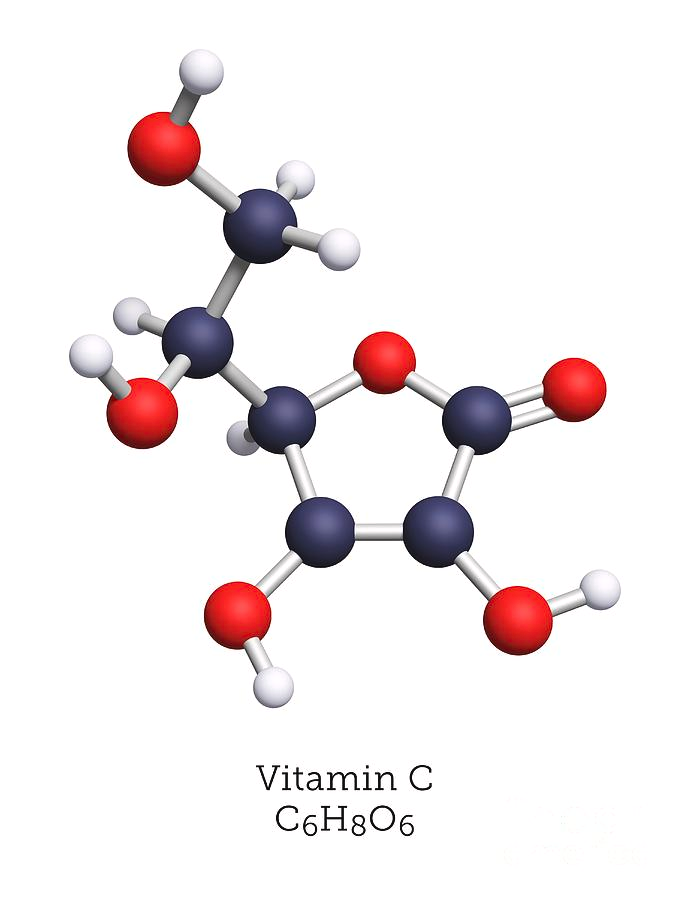
Understanding Ascorbic Acid as a Biostimulant
Ascorbic acid functions as a (1) multifunctional non-enzymatic antioxidant that plays crucial roles in plant physiology beyond its traditional vitamin C function. In hydroponic systems, ascorbic acid applications can modulate several key physiological processes including photosynthesis, antioxidant defense mechanisms, and stress tolerance responses (2).
Recent research has demonstrated that exogenous ascorbic acid applications can significantly improve nutrient use efficiency and enhance plant growth under stress conditions. The compound acts as a signal molecule that (3) activates antioxidant defense systems and helps maintain cellular redox homeostasis during periods of environmental stress.
Application Methods and Optimal Concentrations
Foliar Applications
Foliar spraying represents the most widely studied application method for ascorbic acid in hydroponic crops. Research on lettuce cultivation has shown that (4) foliar applications of 100-400 ppm ascorbic acid can significantly improve growth parameters and yield under saline conditions. The optimal concentration appears to be crop-specific, with 400 ppm showing the most pronounced effects on lettuce fresh weight and antioxidant enzyme activity.
Root Zone Applications
Direct addition to hydroponic nutrient solutions has shown promising results at lower concentrations. Studies indicate that 200 ppm ascorbic acid applied through the nutrient solution can enhance Rhizobium activity in leguminous crops, leading to improved nitrogen fixation and protein synthesis (5).
Application Timing and Frequency
Foliar Applications: Apply during early morning or late afternoon to minimize photodegradation. Frequency of 7-14 day intervals has shown optimal results.
Nutrient Solution: Continuous low-level supplementation (50-100 ppm) or periodic higher doses (200-300 ppm) every 10-14 days.
Quantitative Effects on Yield Parameters
Multiple studies have documented significant yield improvements with ascorbic acid applications across different crops (note that these studies the yield improvements are over crops under stress conditions). In pea production, (6) treatments with 10 mM (approximately 176 ppm) ascorbic acid increased pea pod yields 40%.
| Crop | Concentration (ppm) | Application Method | Yield Increase over stressed conditions (%) | Reference |
|---|---|---|---|---|
| Lettuce | 400 | Foliar | 25-35 | (4) |
| Pea | 200 | Nutrient Solution | 16-40 | (5) |
Antioxidant System Enhancement
The primary mechanism behind quality improvements involves the strengthening of plant antioxidant systems. (6) Ascorbic acid treatments significantly increased superoxide dismutase, peroxidase, and catalase activities, leading to improved stress tolerance and better maintenance of cellular integrity during growth and post-harvest storage.
Stress Tolerance and Environmental Benefits
One of the most significant advantages of ascorbic acid applications in hydroponic systems is enhanced stress tolerance. (2) Research has demonstrated that ascorbic acid pretreatment can help plants better cope with various abiotic stresses including salinity, drought, and temperature extremes.
In saline conditions, which are particularly relevant for hydroponic systems using recycled water or high-EC nutrient solutions, ascorbic acid applications at 200-400 ppm have shown (4) significant protective effects. Treated plants maintained higher growth rates and better physiological function compared to untreated controls under stress conditions.
Stress Tolerance Benefits:
- Improved salinity tolerance in nutrient film technique systems
- Enhanced temperature stress resistance in greenhouse environments
- Better adaptation to fluctuating nutrient concentrations
- Reduced oxidative damage during transport and storage
Integration with Hydroponic Management Practices
Compatibility with Nutrient Solutions
Ascorbic acid demonstrates good compatibility with standard hydroponic nutrient formulations. However, care should be taken regarding solution pH, as ascorbic acid stability decreases significantly at pH levels above 7.0. Most hydroponic systems operating at pH 5.5-6.5 provide optimal conditions for ascorbic acid stability and effectiveness (3).
When integrating ascorbic acid into nutrient management protocols, consider the following stability factors. Light exposure can rapidly degrade ascorbic acid, making it essential to prepare fresh solutions or use opaque reservoirs. Temperature also affects stability, with cooler reservoir temperatures (15-20°C) helping maintain compound integrity longer than warmer conditions.
Economic Considerations
The cost-effectiveness of ascorbic acid applications compares favorably to synthetic growth regulators and specialized biostimulant products. (5) Economic analysis of pea production showed that the 16-40% yield increases achieved with 200 ppm applications provided substantial return on investment, especially when considering the additional quality premiums for enhanced nutritional content. Again, note that this is to alleviate stressful conditions.
| Application Rate | Cost per 1000L | Expected ROI | Best Use Case |
|---|---|---|---|
| 100 ppm | $2-4 | 200-300% | Preventive stress management |
| 200 ppm | $4-8 | 300-400% | Optimal yield enhancement |
| 400 ppm | $8-16 | 250-350% | Stress recovery and quality improvement |
Practical Implementation Summary
Ascorbic acid represents a scientifically validated, economically viable biostimulant option for hydroponic growers seeking to enhance both yield and quality when stressful conditions are present. The optimal application strategy involves foliar sprays at 200-400 ppm concentrations, applied every 7-14 days during active growth periods. For continuous systems, nutrient solution supplementation at 50-100 ppm provides baseline benefits with periodic increases to 200-300 ppm during stress periods. The documented improvements in antioxidant content, stress tolerance, and overall plant health make ascorbic acid a valuable addition to sustainable hydroponic production protocols.
If you use ascorbic acid in root applications make sure to control biofilm formation and properly clean your irrigation lines. Test foliar applications first, root applications carry important risks of biofilm formation inside lines. Clogging can happen if application rates and times are not properly controlled or if irrigation lines are not properly maintained.