Organic Sulfur Foliar Sprays: Beyond Sulfate Salts for Hydroponic Crops
Most hydroponic growers think of sulfur supplementation strictly in terms of sulfate salts like magnesium sulfate or potassium sulfate. However, plants can also utilize reduced organic sulfur compounds that offer unique benefits beyond simple nutrient supplementation. These compounds, including thiourea, cysteine, glutathione, methionine, and S-methylmethionine, function as both sulfur sources and bioregulators that can improve stress tolerance, enhance photosynthesis, and promote better nutrient partitioning. In this post, I will show you how to prepare effective organic sulfur foliar sprays using these compounds, with all formulations provided in practical g/gal units.
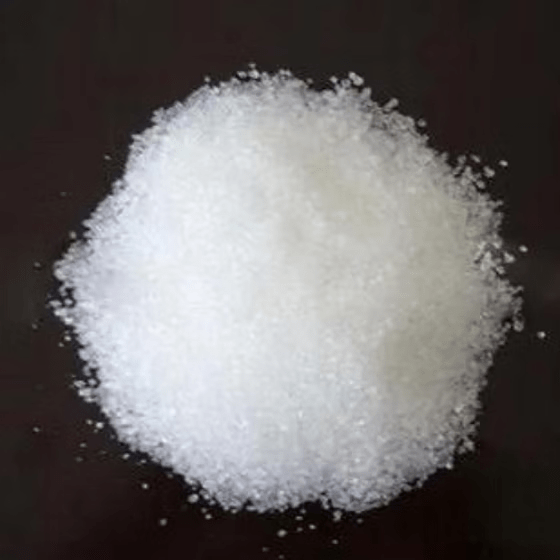
Why Organic Sulfur Compounds?
While sulfate is the traditional form for sulfur delivery, organic sulfur compounds offer several advantages. These metabolites are directly involved in plant biochemistry and can bypass the energy-intensive sulfate reduction pathway (1). Foliar application of sulfur-containing metabolites like cysteine, methionine, glutathione, and S-methylmethionine has proven effective in supporting crop tolerance to various abiotic stresses (1).
Additionally, non-metabolite compounds like thiourea act as powerful bioregulators. Thiourea contains three functional groups (amino, imino, and thiol) that each play important biological roles (2). Research has consistently shown that thiourea applications improve plant growth and development under both normal and stressed conditions by modulating the antioxidant defense system and improving photosynthetic performance.
Understanding the Mechanisms
Organic sulfur compounds work through multiple pathways. Cysteine serves as the metabolic precursor for essential biomolecules and is the only metabolic sulfide donor for methionine, glutathione, phytochelatins, iron-sulfur clusters, and vitamin cofactors (1). When applied foliarly, cysteine can directly enter these biosynthetic pathways without requiring reduction from sulfate.
Glutathione, a tripeptide consisting of glutamic acid, cysteine, and glycine, is a powerful antioxidant that removes reactive oxygen species (ROS) and contributes to stress tolerance (1). Foliar-applied glutathione has been shown to improve chlorophyll content, photosynthetic capacity, and water use efficiency in crops under stress conditions (3).
Thiourea operates differently as it is not a normal plant metabolite. It acts primarily by improving the antioxidant defense system, enhancing osmolyte accumulation, and modulating gas exchange attributes (4). Field trials have demonstrated that foliar thiourea applications can increase grain yield by 15-24% depending on timing and concentration (2).
Choosing the Right Organic Sulfur Source
Each organic sulfur compound offers distinct benefits for different applications:
| Compound | Sulfur Content (%) | Primary Benefits | Best Application Stage |
|---|---|---|---|
| Thiourea | 42% | Stress tolerance, antioxidant activation | Vegetative to flowering |
| L-Cysteine | 26% | Direct sulfur metabolism, protein synthesis | Active growth phases |
| Glutathione (reduced) | 10% | Antioxidant protection, stress mitigation | During stress events |
| L-Methionine | 21% | Protein quality, methylation reactions | Reproductive stages |
| S-Methylmethionine | 20% | Sulfur transport, methyl group donor | Seed filling |
Formulation Recipes
Below are five formulations for organic sulfur foliar sprays.
Formula 1: Thiourea Bioregulator Spray
Thiourea is the most extensively researched non-metabolite sulfur compound for foliar application.
- Thiourea: 3.78 g/gal
- Final Concentration: 1000 ppm (1000 mg/L)
- Sulfur Provided: 420 ppm
This concentration has been extensively validated in field trials. Applications of 1000 ppm thiourea during tillering and flowering increased wheat grain yield by 24% over controls (2). In canola, the same concentration improved seed yield by 11% and significantly enhanced chlorophyll content and photosynthetic parameters under heat stress (5).
Formula 2: L-Cysteine Metabolite Spray
Cysteine provides direct entry into sulfur metabolism pathways.
- L-Cysteine: 0.76 g/gal
- Final Concentration: 200 ppm (200 mg/L)
- Sulfur Provided: 52 ppm
Research on broccoli showed that foliar applications of cysteine at 100-200 mg/L significantly increased dry weight percentage and improved overall yield when used to partially replace conventional nitrogen fertilization (6). The 200 mg/L concentration provides optimal results without risk of phytotoxicity.
Formula 3: Glutathione Antioxidant Spray
Glutathione is particularly valuable during stress conditions.
- Glutathione (reduced form): 3.78 g/gal
- Final Concentration: 1000 ppm (1.0 mM)
- Sulfur Provided: 100 ppm
Field trials on common beans under water deficit showed that 1.0 mM glutathione foliar application improved irrigation use efficiency by 37% and significantly enhanced chlorophyll content, photosynthetic capacity, and antioxidant enzyme activities (3). Lower concentrations (0.5 mM or 1.89 g/gal) are also effective and may be preferred for sensitive crops.
Formula 4: L-Methionine Amino Acid Spray
Methionine supports protein quality and provides methyl groups for various biosynthetic processes.
- L-Methionine: 0.76 g/gal
- Final Concentration: 200 ppm (200 mg/L)
- Sulfur Provided: 42 ppm
Studies on broccoli demonstrated that methionine foliar application at 200 mg/L improved plant vigor and productivity (6). This concentration is particularly beneficial during reproductive stages when protein synthesis demands are highest.
Formula 5: S-Methylmethionine Transport Form
S-methylmethionine (SMM) is the major long-distance sulfur transport compound in plant phloem.
- S-Methylmethionine chloride: 0.19-0.38 g/gal
- Final Concentration: 50-100 ppm (0.05-0.1 mM)
- Sulfur Provided: 10-20 ppm
While SMM is not commonly available as a commercial product, research shows it comprises approximately 2% of free amino acids in phloem sap and contributes significantly to sulfur partitioning to seeds (7). When available, SMM applications at 0.05-0.1 mM have been shown to improve stress tolerance and nutrient partitioning (8).
Application Guidelines
Organic sulfur compounds require careful handling and specific application conditions for optimal results.
| Parameter | Recommendation | Rationale |
|---|---|---|
| Application Timing | Early morning (before 8 AM) | Maximizes uptake period and minimizes oxidation |
| Temperature | Below 70°F (21°C) | Reduces degradation of organic compounds |
| Solution pH | 5.5-6.5 | Maintains compound stability |
| Surfactant | 0.1% Tween-20 | Improves coverage and penetration (9) |
| Application Frequency | 7-14 day intervals | Maintains bioregulatory effects |
| Storage | Prepare fresh, use within 24 hours | Prevents oxidation and degradation |
Critical Application Notes
Organic sulfur compounds are more sensitive to environmental conditions than inorganic salts. Thiourea solutions should be applied when temperatures are below 70°F to prevent degradation. For glutathione and cysteine, oxidation can occur rapidly in spray solutions, so these should be prepared immediately before use and applied within a few hours (1).
The addition of a non-ionic surfactant like Tween-20 at 0.1% concentration improves leaf wetting and compound penetration. This has been shown to enhance the effectiveness of thiourea and amino acid foliar applications (9).
Timing Applications for Maximum Benefit
The effectiveness of organic sulfur compounds varies with growth stage. Research shows that thiourea applied at both tillering and flowering produces greater yield increases (24%) than single applications at either stage (15-17%) (2). For heat-stressed canola, thiourea applied at anthesis was more effective than seedling-stage applications in activating the plant defense system (10).
Glutathione applications are most beneficial during periods of environmental stress or rapid growth when oxidative pressure is highest. Common beans receiving glutathione under water deficit showed the most dramatic improvements in irrigation use efficiency and stress tolerance (3).
Monitoring Response and Adjustments
The response to organic sulfur compounds extends beyond simple nutrient correction. Plants treated with thiourea at 500 ppm showed increased chlorophyll content by 16%, improved carotenoid levels by 15%, and enhanced antioxidant enzyme activities under stress conditions (11). These physiological improvements often appear before visible growth responses.
Monitor treated plants for improvements in:
- Leaf chlorophyll content (SPAD readings)
- Photosynthetic efficiency (Fv/Fm ratios)
- Leaf relative water content
- Visual stress symptoms
If improvements are not observed within 7-10 days after application, consider increasing concentration by 25-50% or applying at a different growth stage.
Integration with Conventional Nutrition
Organic sulfur foliar sprays work best as supplements to a complete hydroponic nutrient program. Your base nutrient solution should still provide 30-60 ppm sulfur through conventional sulfate salts. The organic compounds discussed here serve specialized roles in stress mitigation, growth regulation, and metabolic optimization rather than as primary sulfur sources.
Field research consistently demonstrates that combined approaches (soil/solution nutrition plus foliar bioregulators) produce superior results to either method alone. The combination allows you to maintain adequate baseline nutrition while providing targeted bioactive compounds when plants need them most.
Cost Considerations
Organic sulfur compounds are more expensive than sulfate salts. Thiourea is the most economical option at approximately $20-30 per kilogram from chemical suppliers. Amino acids like cysteine and methionine cost $50-150 per kilogram. Glutathione is more expensive at $200-400 per kilogram for the reduced form.
However, the low application concentrations mean that costs per application remain reasonable. A 1000 ppm thiourea spray requires only 3.78 g per gallon, making each gallon of spray solution cost approximately $0.10-0.15. Given the documented yield improvements of 10-24%, the return on investment is highly favorable for most crops.
Conclusion
Organic sulfur compounds represent a powerful tool for hydroponic growers seeking to optimize plant performance beyond basic nutrition. Thiourea, cysteine, glutathione, methionine, and S-methylmethionine each offer unique benefits through their bioregulatory effects and direct participation in plant metabolism. By using the formulations provided here and following proper application protocols, you can enhance stress tolerance, improve photosynthetic efficiency, and increase yields in your hydroponic operation.
Start with thiourea applications during critical growth stages as it offers the best combination of effectiveness, research validation, and cost-efficiency. As you gain experience, experiment with cysteine and glutathione for specific stress situations. Remember that these compounds work best when integrated into a comprehensive nutrition program rather than as standalone treatments.
The shift from thinking about sulfur purely as a nutrient to understanding its role in plant signaling and stress responses opens new possibilities for crop management in controlled environment agriculture.