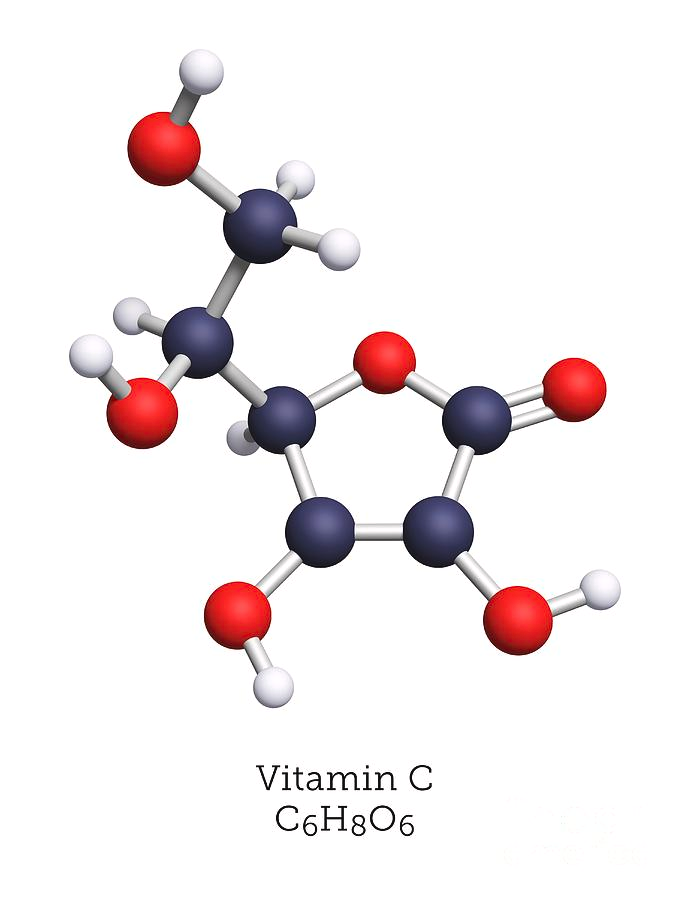
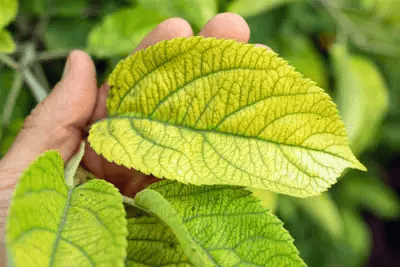
Peptide Biostimulants in Plants: What They Are and What They Actually Do

Peptide biostimulants have gained significant attention in horticulture and hydroponics, with claims ranging from modest growth improvements to dramatic yield boosts. In this post, I want to examine what the peer-reviewed science actually tells us about these products. The evidence shows that peptide-based biostimulants can deliver measurable benefits under specific conditions, but their mechanisms remain incompletely understood and results vary considerably depending on source material, application method, and growing environment.
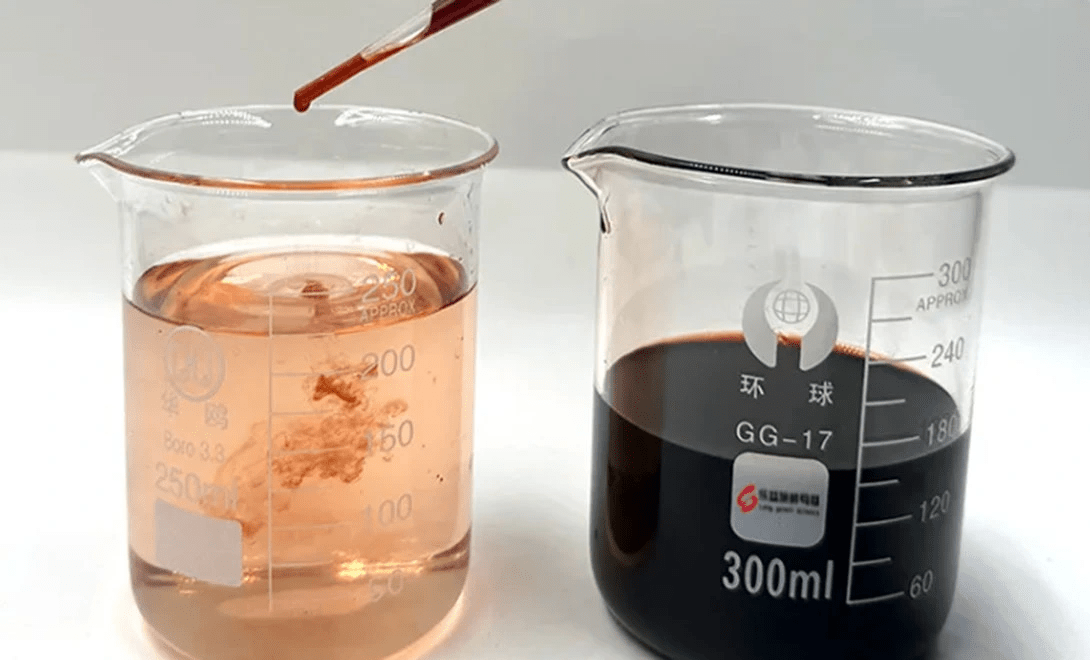
Example of a peptide containing product for plant use

What exactly are peptide biostimulants?

Peptide biostimulants are products containing short chains of amino acids, typically 2 to 100 amino acids in length. Most commercial products fall under the broader category of protein hydrolysates, which are mixtures of free amino acids, oligopeptides, and polypeptides resulting from partial protein breakdown (1). These products come from animal-derived materials (leather by-products, blood meal, fish waste, chicken feathers, casein) or plant-derived materials (legume seeds, alfalfa, vegetable by-products) (2).

The production method matters significantly. Chemical hydrolysis using acids or alkalis tends to produce more free amino acids and smaller peptides, while enzymatic hydrolysis preserves more intact peptides and a broader range of molecular sizes (1). Plant-derived protein hydrolysates produced through enzymatic processes generally show higher biostimulant activity in research settings compared to chemically hydrolyzed animal-derived products (3).

Why this pattern exists remains incompletely explained. Is the advantage due to specific peptide sequences unique to plant proteins? The lower free amino acid content reducing phytotoxicity risk? Larger average peptide size? Lower salt content from avoiding harsh chemical hydrolysis? The research establishes the trend but does not conclusively identify the causal mechanism. This matters because without understanding why plant-derived products work better, predicting which specific formulations will perform well becomes more guesswork than science.

Source Type Common Raw Materials Hydrolysis Method Typical Composition
Plant-derived Legume seeds, soybean, alfalfa Enzymatic Higher peptide content, broader amino acid profile
Animal-derived Fish meal, feathers, blood meal Chemical Higher free amino acid content, narrower profile

How do they work in plants?

The honest answer is that researchers are still piecing together the full picture. As one comprehensive review puts it, knowledge on their mode of action is still piecemeal (1). That said, several mechanisms have been demonstrated in controlled experiments.

Hormone-like activity is among the most frequently cited mechanisms. Studies using corn coleoptile elongation tests and gibberellin-deficient dwarf pea plants have shown that certain protein hydrolysates exhibit both auxin-like and gibberellin-like activity (3). In one study, application of a plant-derived protein hydrolysate increased shoot length in dwarf pea plants by 33% compared to untreated controls.

However, these bioassays deserve scrutiny. Coleoptile elongation tests and dwarf mutant responses are extremely sensitive screening tools designed to detect minute hormonal activity. They tell us that something hormone-like is present, but they do not predict whether those effects translate to meaningful outcomes in production systems with normal hormone homeostasis. A compound can show auxin-like behavior in a coleoptile assay yet have negligible impact on a mature plant with intact hormone synthesis and transport. The research demonstrates hormone-like activity, but the operational significance for commercial growing remains largely assumed rather than proven.

The auxin-like activity appears connected to both the tryptophan content in these products (a precursor to the plant hormone IAA) and specific bioactive peptides like the 12-amino-acid root hair promoting peptide isolated from soybean-derived hydrolysates (2).

Enhanced nitrogen metabolism represents another documented pathway. Gene expression studies show that protein hydrolysate application upregulates key nitrogen transporters (NRT2.1, NRT2.3) and amino acid transporters in roots and leaves (4). The enzymes involved in nitrogen assimilation, including nitrate reductase and glutamine synthetase, also show increased activity following treatment (1). Additionally, peptide biostimulants can improve micronutrient availability through chelation effects (2).

What does the experimental evidence actually show?

When examining controlled experiments, the reported improvements require careful interpretation. The frequently cited studies show percentage gains that look impressive on paper but come with important caveats about baseline conditions.

In greenhouse tomato trials, legume-derived protein hydrolysates increased shoot dry weight by 21%, root dry weight by 35%, and root surface area by 26% in tomato cuttings (3). However, these cuttings were grown in substrate culture with suboptimal nutrient availability. The 35% root dry weight increase translated to an absolute gain of roughly 0.3 grams per plant over 12 days on plants with small initial biomass. Whether this scales to mature plants in optimized systems remains unclear.

Studies reporting 50% yield increases in baby lettuce (2) used reduced nutrient conditions (50% of standard nitrogen). This is a common pattern: the largest percentage improvements appear when baseline nutrition is deliberately limited. The tomato fruit quality improvements showed smaller changes, typically 10-15%, in field-grown plants (2).

For stress tolerance, protein hydrolysates have shown measurable effects through activation of antioxidant systems, osmotic adjustment, and modulation of stress-related hormones (1). Research on drought stress recovery in tomato found that certain plant-derived protein hydrolysates were 62-75% more effective at enhancing recovery compared to untreated controls (5), though again these were substrate-grown plants under deliberately induced stress conditions.

The hydroponic data gap

Here is an uncomfortable truth: nearly all the research cited above comes from soil-based or substrate culture systems, not true hydroponics. The tomato studies used peat-based growing media. The lettuce trials were conducted in soil with modified nutrient solutions.

I found no peer-reviewed studies testing peptide biostimulants in nutrient film technique, deep water culture, or aeroponics under controlled conditions. The extrapolation from substrate culture to recirculating hydroponic systems rests on assumptions about peptide stability in solution, interactions with synthetic nutrient salts, and whether root uptake mechanisms differ without substrate.

Hydroponic systems have fundamentally different dynamics around root exudates, microbial populations, oxygen availability, and nutrient contact time. As a hydroponic grower, you are essentially conducting your own experiment when using these products, because the research has not caught up to your growing method yet.

The caveats you need to know

Here is where I need to pump the brakes on any excessive enthusiasm. Not all studies show positive effects, and some show no significant benefit at all.

Several studies on animal-derived products found minimal or non-significant effects on crops including endive, spinach, carrot, and okra under field conditions (2). The variability depends heavily on protein source, production process, crop species, application timing, concentration, and environmental conditions.

There is also the phenomenon called general amino acid inhibition. Excessive uptake of free amino acids through foliar application can cause phytotoxicity, intracellular amino acid imbalance, and growth suppression (2). This occurs more commonly with animal-derived products that contain higher proportions of free amino acids.

Most research has been conducted with specific commercial formulations under controlled conditions. The impressive percentage improvements often come from comparing treated plants to completely untreated controls, not to plants receiving optimized nutrition programs.

Practical recommendations for hydroponic growers

If you want to experiment with peptide biostimulants, plant-derived products from legume sources using enzymatic hydrolysis show more consistent results in available research (3), though remember this research was not conducted in true hydroponic systems. Start with manufacturer-recommended concentrations, as more is not better. Research suggests foliar applications at 2.5-5 ml/L have shown benefits without phytotoxicity (4).

Be realistic about what you are testing. If your system is already optimized, you are operating in the regime where these products show the smallest benefits. Research shows more pronounced effects under nutrient limitations, drought stress, or other challenges (6). A 30% improvement in a stressed plant may still leave it performing worse than an unstressed control.

Do not expect peptide biostimulants to replace proper nutrition or mask fundamental problems. They work alongside, not instead of, a well-designed nutrient program (5).

Most importantly, treat any trial as an actual experiment. Run side-by-side comparisons with untreated controls. Measure actual outcomes, not subjective impressions. The absence of hydroponic-specific research means you cannot simply apply published percentage improvements to your situation.

The bottom line

Peptide biostimulants represent a legitimate category of agricultural inputs with demonstrated effects on plant physiology in controlled research settings. The science supports claims of hormone-like activity in sensitive bioassays, enhanced nitrogen metabolism at the gene expression level, improved root development in substrate culture, and stress tolerance mechanisms under laboratory conditions.

The evidence base has three major limitations. First, the most impressive percentage gains come from experiments using suboptimal baseline conditions. Second, nearly all research has been conducted in soil or substrate systems rather than true hydroponics. Third, the mechanisms explaining why certain formulations outperform others remain poorly understood.

For hydroponic growers, these products deserve consideration as experimental tools, not proven solutions. The physiology is real, but the operational benefits in optimized recirculating systems are unknown. If you trial peptide biostimulants, design proper experiments with controls and measured outcomes. Treat manufacturer claims with skepticism. Recognize that you are working ahead of the research, not following it.

Have you tried peptide biostimulants in your hydroponic system? What results did you observe? Let us know in the comments below!

Aquaporins and Water Flow Regulation: A Microphysiological View of Plant Water Uptake

Water moves from nutrient solution into plant roots through a process that growers rarely examine at the molecular level. Yet the rate of this movement depends heavily on aquaporins, protein channels embedded in root cell membranes that open and close in response to conditions in the root zone. Research shows that aquaporins can contribute to more than 50% of total root water transport under certain conditions (1), though this varies considerably with species, developmental stage, root anatomy, and environmental factors. In some situations, water flows primarily through cell wall spaces (the apoplastic pathway) with aquaporins playing a smaller role. When environmental conditions shift, aquaporin activity changes within minutes, altering the cell-to-cell component of hydraulic conductivity before any visible symptoms appear in the plant.

This article explains what aquaporins are, how they function, and what environmental factors regulate their activity in ways that matter for hydroponic cultivation.

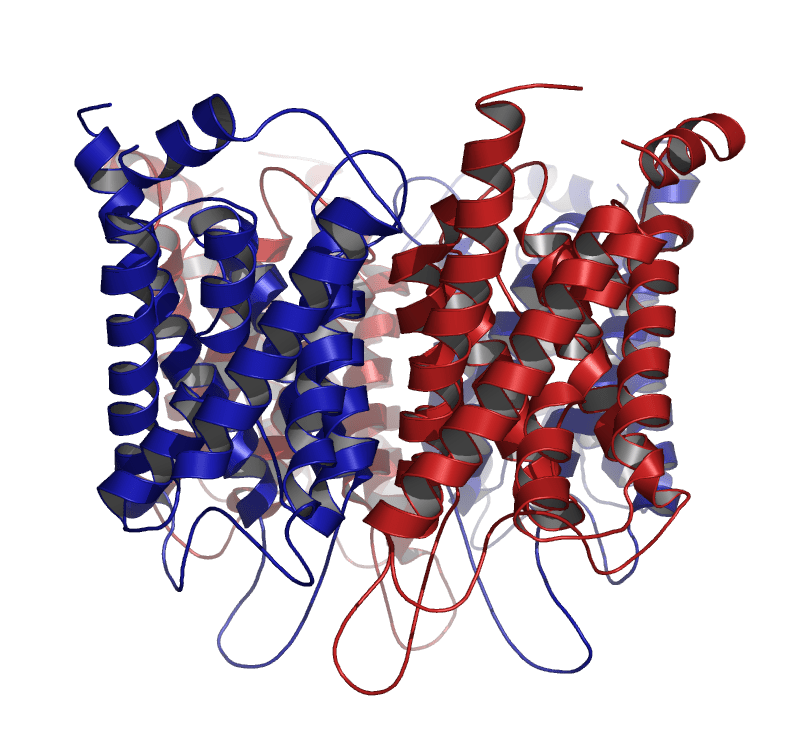
Model of an aquaporin protein. Taken from wikipedia.

The molecular machinery of water transport

Aquaporins belong to the Major Intrinsic Protein (MIP) superfamily and function as membrane channels that facilitate water movement across cell membranes. Each aquaporin monomer consists of six transmembrane helices and contains two highly conserved NPA (asparagine-proline-alanine) motifs that meet at the center of the channel pore (2). These channels assemble into tetramers, with each monomer forming an independent water pore capable of transporting up to one billion water molecules per second under a 1 MPa pressure gradient.

Plants express remarkably diverse aquaporin families. Arabidopsis thaliana contains 35 aquaporin genes distributed across multiple subfamilies (3). The two subfamilies most relevant for root water uptake are:

Table 1: Primary Aquaporin Subfamilies in Root Water Transport

Subfamily Location Primary Function Role in Hydroponics
PIPs (Plasma Membrane Intrinsic Proteins) Plasma membrane Major water transport across cell membranes Controls entry of water into root cells
TIPs (Tonoplast Intrinsic Proteins) Vacuolar membrane Intracellular water flow, turgor regulation Maintains cell water balance

PIPs divide further into PIP1 and PIP2 subgroups. PIP2 aquaporins function as highly efficient water channels, while PIP1 aquaporins often require PIP2 partners to traffic correctly to the membrane and achieve full activity (2). This interaction means that the ratio of different aquaporin isoforms affects overall water transport capacity.

How environmental conditions regulate aquaporin gating

The plasma membrane presents the primary barrier to water entry in root cells. Unlike the tonoplast, which maintains constitutively high water permeability, plasma membrane permeability is tightly regulated through aquaporin gating, the process of opening and closing these channels in response to cellular signals.

pH-dependent gating: the oxygen connection

X-ray crystallography of spinach aquaporin SoPIP2;1 revealed the structural mechanism of pH-dependent gating (4). When cytoplasmic pH drops, a conserved histidine residue in loop D becomes protonated. This protonation causes loop D to fold over and cap the channel from the cytoplasm, occluding the pore. The conformational change involves loop D displacement of up to 16 angstroms between open and closed states.

This mechanism explains why root hypoxia rapidly inhibits water uptake. When roots experience oxygen deprivation from poor aeration or waterlogging, cellular respiration shifts toward fermentation, producing organic acids that lower cytoplasmic pH. The resulting acidosis triggers aquaporin closure within minutes, reducing root hydraulic conductivity even before ATP depletion becomes significant (5).

For hydroponic growers, this means that dissolved oxygen levels directly impact water uptake capacity through effects on aquaporin gating. Inadequate aeration reduces water transport before other symptoms of oxygen stress appear.

Phosphorylation controls channel activity

Aquaporin activity also depends on phosphorylation of conserved serine residues. Phosphorylation of sites including Ser280 and Ser283 in AtPIP2;1 activates water transport, while dephosphorylation during drought stress closes channels (4). Calcium-dependent protein kinases recognize phosphorylation sequences in PIPs, linking aquaporin regulation to broader cellular signaling networks.

This phosphorylation-dependent regulation underlies the circadian rhythms observed in plant hydraulic conductivity. Root and leaf water permeability peaks around midday, correlating with oscillations in aquaporin phosphorylation state (2). Plants maintain this rhythm even under constant light, indicating true circadian control rather than simple light response.

Nutrient solution properties affect aquaporin function

Beyond pH and oxygen, the composition of hydroponic nutrient solutions influences aquaporin-mediated water transport through several pathways.

Nutrient deficiency rapidly reduces hydraulic conductivity. Nitrogen, phosphorus, and potassium deficiency each cause measurable decreases in root hydraulic conductivity within hours to days. These effects are reversible within 4 to 24 hours after resupplying the deficient nutrient (1). Low potassium supply reduces root hydraulic conductivity to approximately 58% of control values, accompanied by decreased aquaporin gene expression (3).

Root zone temperature modulates aquaporin activity. Low temperatures reduce water uptake partly through effects on aquaporin phosphorylation. At temperatures below 15°C, hydraulic conductivity decreases significantly. Overexpression of PIP2;5 aquaporin can partially alleviate cold-induced reduction in cell hydraulic conductivity, confirming that temperature effects operate through aquaporin function (5).

Osmotic stress triggers coordinated aquaporin responses. Elevated electrical conductivity or salinity causes rapid reduction in root hydraulic conductivity with a half-time of approximately 15 minutes (2). Multiple mechanisms contribute, including changes in aquaporin stability, subcellular localization, transcript abundance, and phosphorylation state.

Table 2: Environmental Factors and Aquaporin Responses

Factor Response Time Effect on Hydraulic Conductivity Mechanism
Low dissolved oxygen Minutes Rapid decrease pH-dependent gating
Nutrient deficiency Hours to days 40-60% reduction Reduced expression and activity
Low temperature (below 15°C) Hours Significant decrease Dephosphorylation
High EC/salinity Minutes 50%+ reduction Multiple post-translational changes
Light/dark cycles Hours Diurnal oscillation Circadian phosphorylation

Practical implications for hydroponic management

Understanding aquaporin regulation suggests specific management considerations that go beyond conventional wisdom. However, a caveat is necessary: much of the aquaporin research comes from model species like Arabidopsis grown in soil or controlled laboratory conditions. The molecular mechanisms are conserved across plant species, but the magnitude of effects and their practical importance in commercial hydroponic systems remains less certain. The following considerations reflect mechanistic understanding rather than empirically validated hydroponic protocols.

Maintain adequate dissolved oxygen. Because hypoxia triggers rapid aquaporin closure through cytoplasmic acidification, root zone aeration may limit water uptake capacity through this mechanism. In deep water culture or nutrient film technique systems, oxygen supplementation could support aquaporin function before visible stress symptoms develop, though the relative contribution of this pathway versus other hypoxia effects remains uncertain in production settings.

Control root zone temperature. Cold nutrient solutions reduce aquaporin activity through dephosphorylation. Maintaining root zone temperatures above 18°C (64F) may help preserve aquaporin function and the cell-to-cell component of water uptake capacity, particularly in cooler growing environments or when using chilled reservoir systems. Temperature affects many physiological processes simultaneously, so the specific contribution of aquaporin regulation to overall cold sensitivity is difficult to isolate in practice.

Recognize nutrient-hydraulic connections. Nutrient deficiencies affect not only plant nutrition but also root hydraulic properties. The rapid response of aquaporins to nutrient status means that deficiency symptoms may include reduced water uptake before foliar symptoms appear.

Consider diurnal patterns. Aquaporin activity peaks during light periods and reaches maximum around midday. This circadian pattern means that the capacity for cell-to-cell water transport varies predictably through the day. In most hydroponic systems, however, this biological rhythm has limited practical implications because uptake is primarily demand-driven and continuous. The diurnal oscillation in aquaporin activity represents one component of water relations alongside many others that fluctuate throughout the day.

Understand EC effects on water transport. High electrical conductivity reduces aquaporin-mediated water transport within minutes. This rapid hydraulic response represents a distinct pathway from osmotic effects on water potential gradients. However, this does not mean that lower EC always improves plant performance. Nutrient availability remains the primary constraint on growth in most hydroponic systems, and adequate EC is necessary to deliver sufficient nutrition. The aquaporin response to elevated EC represents one factor in a complex trade-off between nutrient delivery and water relations.

The regulatory complexity ahead

Aquaporin research continues to reveal unexpected functions. Some aquaporins transport not only water but also dissolved gases including carbon dioxide and hydrogen peroxide, linking them to photosynthesis and stress signaling (2). Certain isoforms may even facilitate oxygen transport across membranes, potentially contributing to root survival under hypoxic conditions.

The picture that emerges is one of dynamic regulation at the cellular level. Root water uptake is not passive absorption but an actively controlled process that responds to the immediate environment. For hydroponic growers seeking to optimize water relations, understanding this microphysiological layer adds explanatory power to observations that might otherwise seem puzzling, such as wilting despite adequate solution availability, or variable water demand under apparently similar conditions.

The practical value lies not in managing aquaporins directly, which remains beyond current intervention, but in understanding which environmental parameters matter and why. Temperature, oxygen, nutrients, and solution EC all converge on this molecular control point, making aquaporin function a unifying concept for understanding water uptake efficiency in hydroponic systems.


Electrolyte Conductivity vs. Ionic Activity: Why EC Alone Can Mislead Your Nutrient Decisions

Your EC meter is telling you only part of the story. Two nutrient solutions reading identical EC values can produce dramatically different plant growth outcomes in controlled studies. The reason lies in a fundamental measurement limitation: electrical conductivity reports total dissolved ions without distinguishing nutrient species from growth-limiting salts. This bulk measurement masks the specific ionic composition that drives membrane transport, competitive inhibition at root uptake sites, and toxicity thresholds. Understanding what EC actually measures will help you recognize when additional monitoring becomes necessary.

Activity versus concentration for monovalent potassium (K⁺) and divalent calcium (Ca²⁺) in half-strength Hoagland nutrient solution. The left panel shows how ionic activity declines as solution ionic strength increases, with divalent calcium affected far more severely than monovalent potassium. The right panel demonstrates that activity diverges substantially from concentration as levels increase, with the effect being much stronger for divalent ions. This explains why calcium and magnesium deficiencies can appear in high-EC systems even when solution analysis shows adequate concentrations. Taken from (1).

EC measures bulk conductivity, not what plants actually absorb

Electrical conductivity provides an indiscriminate measure of total dissolved ions in solution. Your meter detects all charged particles without distinguishing whether they are essential nutrients or growth-limiting salts. As detailed in a review on ion-selective sensing in controlled environment agriculture, EC cannot differentiate among nutrient species, and different ions contribute disproportionately to measured values (1).

Why EC alone proves insufficient has multiple explanations. Ion identity matters: sodium and chloride at high concentrations cause specific toxicities independent of osmotic effects. Ion ratios matter: excess potassium competitively inhibits calcium and magnesium uptake at membrane transporters. And the effective concentration of ions in solution, termed ionic activity, also plays a role. Activity represents the concentration available for chemical reactions, always lower than measured concentration due to ionic interactions in solution.

Plants do not directly sense ionic activity. They respond to membrane transport kinetics, electrochemical gradients, competitive inhibition at transporters, and rhizosphere chemistry. Ionic activity influences these processes, but ion identity, ratios, and specific toxicities provide the more actionable framework for understanding when EC measurements mislead.

Parameter What It Measures Plant Relevance
EC (electrical conductivity) Total dissolved ion charge carriers Indirect indicator only
Ion concentration Absolute quantity of each ion species Laboratory reference value
Ionic activity Effective concentration for chemical reactions Influences uptake kinetics and ion availability

The Debye-Hückel equation predicts activity coefficient changes with ionic strength in ideal solutions (1). At typical nutrient solution concentrations, divalent cations like calcium and magnesium might show activity coefficients around 0.36, suggesting reduced effective availability.

However, Debye-Hückel works best at low ionic strength with simple solutions. Real hydroponic systems are multi-ion mixtures with chelators, buffers, and temperature fluctuations. Activity coefficients are not static, generalizable values. The conceptual value is recognizing that concentrated solutions have reduced effective nutrient concentrations, with divalent ions more affected than monovalent ones. But this thermodynamic consideration is only part of why EC measurements can mislead. Ion-specific toxicities, competitive uptake, and ratio imbalances often matter more in practice.

Identical EC readings can mask specific ion toxicities

The clearest evidence that EC measurements conceal important information comes from controlled salt stress experiments comparing solutions matched for EC but differing in ionic composition. Research on faba bean exposed plants to sodium-dominant, chloride-dominant, and sodium chloride treatments, all maintained at the same EC range of 8.4 to 9.0 dS/m with identical osmotic potentials (2).

These were deliberately extreme compositions designed to test toxicity mechanisms, not optimized fertigation protocols. The results show what EC masks under stress conditions. At matched EC levels, chloride-dominant solutions reduced shoot dry weight by 24 to 40 percent compared to controls, while sodium-dominant solutions caused only 5 to 23 percent reduction. The NaCl treatment combining both ions produced the largest growth inhibition at 36 to 55 percent, demonstrating additive toxicity effects (2).

Salt Composition EC (dS/m) Osmotic Potential (MPa) Shoot Dry Weight Reduction
Sodium-dominant (Na₂SO₄, Na₂HPO₄, NaNO₃) 8.8 -0.49 5-23%
Chloride-dominant (CaCl₂, MgCl₂, KCl) 8.4 -0.48 24-40%
NaCl combined 9.0 -0.50 36-55%

The point is not that growers routinely leave 40% yield on the table by relying on EC. The point is that EC provides no information about which specific ions contribute to the measured value. Two solutions at identical EC can have completely different ionic compositions, and those differences matter when toxic ions accumulate or when antagonistic interactions suppress nutrient uptake. The experiments demonstrate that specific ion toxicity operates independently of bulk conductivity measurements.

Activity coefficients and competitive uptake

Plant nutrient uptake follows Michaelis-Menten kinetics, with roots responding to effective ionic concentrations at membrane transport sites. Research on ion uptake kinetics across crop species found that uptake rates depend on transporter properties and the concentration gradients driving diffusion and active transport (3).

However, plants are not passive. They actively regulate transporter expression in response to nutrient status. Root exudates, rhizosphere pH shifts, and microbial interactions create a dynamic environment that activity coefficients alone cannot predict. In recirculating systems, root-zone biology often dominates availability more than solution thermodynamics.

Each nutrient ion has an optimal concentration range. Deviation causes deficiency or toxicity. High potassium suppresses magnesium and calcium uptake through competitive inhibition at transporters, even when those nutrients appear adequate (1). This operates through membrane competition rather than activity coefficients.

The charge on an ion affects both its activity coefficient and its behavior at root membranes:

Ion Charge Example Ions Activity Coefficient at I = 0.01 M Activity Coefficient at I = 0.1 M
Monovalent (+1) K⁺, NO₃⁻, Na⁺ ~0.90 ~0.76
Divalent (+2) Ca²⁺, Mg²⁺, SO₄²⁻ ~0.68 ~0.36
Trivalent (+3) Fe³⁺, Al³⁺ ~0.45 ~0.04

Calcium and magnesium deficiencies can appear in high-EC systems even when solution analysis shows adequate concentrations. Multiple factors contribute: reduced activity coefficients at elevated ionic strength, competitive inhibition from excess monovalent cations, precipitation reducing free ions, and inadequate transporter expression in some cases.

A practical framework for knowing when EC suffices

Understanding EC limitations does not mean abandoning it as a management tool. The question is when EC monitoring alone provides adequate control and when additional measurements become necessary.

EC works adequately when:

  • Using stable, tested nutrient recipes with known water sources
  • Operating within established EC ranges for your crop (typically 1.5-2.5 dS/m for most vegetables)
  • Observing normal growth with no unexplained deficiency or toxicity symptoms
  • Running drain-to-waste systems where solution composition stays close to input values

Move beyond EC-only monitoring when:

  • Source water contains significant sodium, chloride, or bicarbonate (>50 ppm of concerning ions)
  • Running recirculating systems where selective uptake changes ratios over time
  • Pushing high EC strategies (>3.0 dS/m) for crop steering or stress conditioning
  • Observing nutrient disorders that do not resolve with EC adjustments
  • Using fertilizer blends high in chloride-based salts (muriate of potash, calcium chloride)

Monitor ion ratios alongside EC. Track potassium to calcium ratios (typically 1:0.7 to 1:1 molar basis for greenhouse vegetables), calcium to magnesium around 3:1 to 5:1, and watch for sodium and chloride accumulation. These targets vary by crop, growth stage, temperature, and transpiration rates, but maintaining balanced ratios matters for preventing competitive uptake regardless of activity calculations.

Account for ionic strength effects on divalent nutrients. When operating at elevated EC for generative strategies, calcium and magnesium may require 10-20% higher concentrations above 2.5 dS/m.

Consider periodic solution analysis. Laboratory testing provides ground truth for whether EC correlates with intended composition. Test quarterly for established protocols, monthly when developing new strategies (1).

Watch for ion-specific symptoms. Chloride toxicity produces marginal leaf burn, sodium affects older leaves first, calcium deficiency appears in growing points. When symptoms appear at moderate EC with no disease, investigate ionic composition.

The measurement matters, but so does the biology

The hydroponic industry invested heavily in EC monitoring because it is simple and inexpensive. This created reliance on a parameter that cannot distinguish nutrient species from non-nutrient salts. Plant roots respond to individual ions through specific transporters, adjust those transporters based on status, and modify rhizosphere chemistry (3).

Understanding ionic activity provides one lens for recognizing EC limitations, but ion identity, ratios, and toxicities matter more for practical management. The primary insight is simpler: EC cannot tell you which ions are present or whether problematic species like sodium and chloride are accumulating.

The practical approach combines EC monitoring with awareness of when it suffices. For stable systems with proven recipes and clean water, EC provides adequate control. When water quality varies, in recirculating systems with selective depletion, or when pushing high-EC strategies, monitor individual ions. Two growers at identical EC will achieve different results based on water quality, fertilizer choices, and ionic composition.

Research on matched-EC salt stress shows specific ion toxicities operate independently of bulk conductivity. Your EC meter remains useful for routine monitoring, but recognizing its limits prevents misdiagnosis. Understanding that EC measures total ions rather than ion identity or ratios transforms it from a complete system into one point within a fuller framework.


Foliar Sprays in Hydroponics: What Actually Enters the Plant?

Foliar feeding occupies a paradoxical space in hydroponic cultivation. Growers routinely spray nutrients on leaves expecting rapid correction, yet the science reveals a much narrower window of utility. The plant cuticle evolved as a barrier to prevent water loss, and this same barrier severely restricts nutrient entry. The answer is neither “foliar feeding is useless” nor “spray everything on leaves” but rather “foliar nutrition works for specific problems under constrained conditions.”

The cuticle is a formidable hydrophobic barrier

The plant cuticle is a lipid-rich protective membrane that covers all aerial surfaces. It consists of three main components: cutin (a polyester of C16 and C18 hydroxy fatty acids), embedded waxes (C20 to C40 very-long-chain fatty acids), and a smaller fraction of polysaccharides that can reach up to 20% of cuticle mass (1). This structure evolved specifically to prevent water loss from leaves, making it inherently resistant to water-soluble nutrient penetration.

The critical transport barrier within the cuticle is the “limiting skin” which provides almost all resistance to penetration (1). Cuticles vary enormously across species. A foliar spray effective on lettuce may fail completely on tomato.

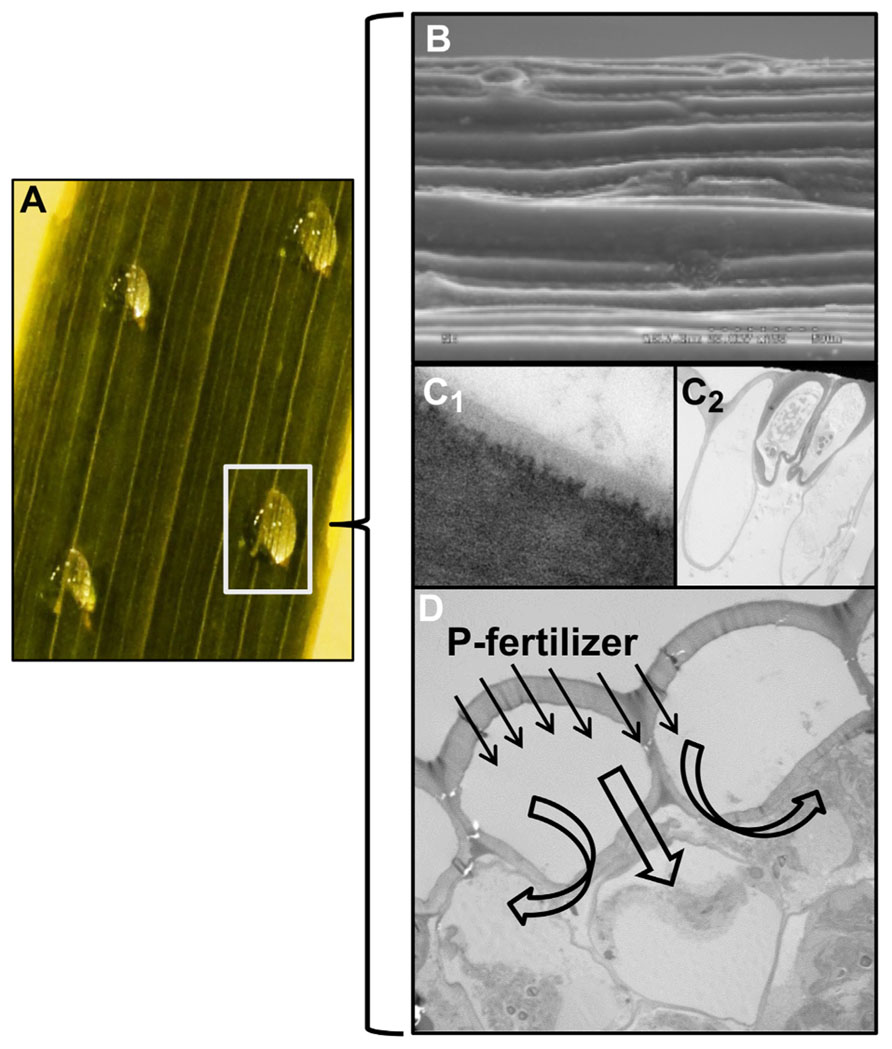
A comprehensive diagram illustrating the major factors affecting foliar absorption, including: P fertilizer drops on wheat leaf surface, SEM micrograph of leaf surface structure, TEM micrographs showing cuticle penetration pathways (both through cuticle and stomatal pores). Taken from this article.

Two distinct pathways exist for substances to cross the cuticle. Lipophilic compounds dissolve into the waxy matrix and diffuse across following a dissolution-diffusion model. Hydrophilic ions and polar nutrients require a completely different route through aqueous pores lined with polar functional groups (2). For most water-soluble fertilizers, this aqueous pore pathway is the only viable option.

Molecular size creates hard limits on penetration

The aqueous pores in plant cuticles impose strict size limitations on what can enter. Research using various ionic compounds has established that average pore radii range from 0.45 to 1.18 nm depending on plant species (1). This means that only very small, water-soluble compounds can squeeze through these tiny channels.

Parameter Value Practical Implication
Aqueous pore radii 0.45 to 1.18 nm Only small ions penetrate efficiently
Maximum molecular weight ~800 g/mol Large chelates must dissociate first
MW 100→500 penetration decrease 7 to 13× slower Larger nutrients penetrate much slower

The relationship between molecular weight and penetration rate follows a clear pattern. Increasing molecular weight from 100 to 500 g/mol decreases rate constants by factors of 7 to 13 (1). The largest molecules demonstrated to pass through cuticular pores had molecular weights around 769 g/mol, establishing an approximate upper limit for ionic penetration.

For lipophilic compounds, size effects are even more pronounced. A fourfold increase in molecular weight results in a greater than 1000-fold decrease in cuticular mobility (2). This explains why small neutral molecules like urea penetrate rapidly while larger molecules move slowly.

However, the molecular weight cutoff is not absolute. Chelates can dissociate at the leaf surface, releasing free metal ions that then penetrate through aqueous pores. Iron-EDTA formulations can still deliver iron to leaf tissue even though the intact chelate is too large to pass through the cuticle.

Electrical charge determines whether nutrients stick or penetrate

The plant cuticle carries a net negative charge due to carboxyl and hydroxyl groups in the cutin matrix (2). Cations are attracted to the negatively charged surface and diffuse passively once contact is made. Anions face electrostatic repulsion and penetrate poorly until internal charge is balanced by cation entry.

Charge Type Cuticle Interaction Penetration Efficiency
Neutral (urea) No interaction Fastest penetration
Monovalent cations Moderate attraction Good penetration
Divalent cations Strong attraction Often trapped at surface
Anions Repulsion Poor initial penetration

This explains why urea nitrogen penetrates leaves rapidly while ionic forms of most micronutrients struggle. The charge-neutral urea molecule bypasses the electrostatic complications that slow down ionic forms (3).

The situation becomes more complex after nutrients cross the cuticle. The leaf apoplast also carries negative charges that bind cations like zinc, iron, and calcium, limiting translocation (2). As discussed previously, this means foliar micronutrients often remain localized. However, for visible deficiency symptoms, localized correction may be exactly what is needed to maintain crop quality while the root zone issue is corrected.

Surfactants improve uptake but cannot overcome fundamental limits

The primary function of surfactants in foliar applications is reducing surface tension to improve wetting and spreading. Water has a surface tension of approximately 72 mN/m, which surfactants reduce to 25 to 30 mN/m (4). This allows spray droplets to spread across hydrophobic leaf surfaces rather than beading up and rolling off.

Surfactants also directly enhance penetration through the cuticle by increasing rate constants by factors of up to 12 for ionic compounds (2).

Organosilicone surfactants can achieve surface tensions below 25 mN/m, enabling stomatal infiltration (3). This bypasses the cuticle by forcing liquid through stomatal pores. While variable and dependent on stomatal aperture, commercial agriculture uses this approach precisely because when conditions align, the payoff can be substantial.

One study on wheat found that phosphoric acid uptake reached approximately 80% when surfactants were included, compared to only 7 to 27% without surfactant (5). However, high uptake did not guarantee yield benefits. Only one of several treatments tested produced a 12% yield increase, while two treatments actually decreased yield despite similar foliar uptake rates. Yet focusing solely on final yield misses an important point: in hydroponics, visual quality, rapid symptom correction, and preventing irreversible tissue damage often matter more than marginal yield increases measured in field trials. A foliar spray that greens up symptomatic leaves within days may be economically rational even if it adds zero grams to final harvest weight.

Common misunderstandings about foliar nutrition

Many growers apply foliar sprays with expectations that don’t align with the science. The key is understanding foliar nutrition as damage control rather than primary nutrient delivery.

Misunderstanding 1: High uptake guarantees benefit. Even when penetration rates appear impressive (say 80% of applied nutrients crossing into the leaf), this does not translate to plant-wide nutrition. Many nutrients remain localized to treated leaves. Calcium and manganese are particularly immobile after foliar application (2). However, localized uptake is not a failure when the goal is preventing irreversible damage to symptomatic tissue. Greening up chlorotic leaves matters for crop value even if the nutrient never reaches the roots.

Misunderstanding 2: Foliar feeding replaces root nutrition. While foliar nutrition can supplement root uptake, it cannot replace it for macronutrients. The leaf surface area simply cannot absorb the quantities of nitrogen, phosphorus, and potassium required for normal growth. Foliar sprays work best as emergency response tools for visible deficiencies while root zone issues are diagnosed and corrected. This is not a limitation but the intended use case.

Misunderstanding 3: More surfactant means better results. Surfactant concentration requires optimization. Too little provides minimal benefit, but excessive surfactant causes phytotoxicity and leaf scorch that kills the very cells needed to absorb nutrients (5). Some surfactants have even been shown to increase plant disease severity (4).

Misunderstanding 4: Biological inefficiency equals economic irrationality. Foliar sprays may be inefficient biologically but can still be economically rational. When adjusting reservoir composition requires draining tanks or deficiency symptoms threaten late-stage crop quality, a foliar spray costing a few dollars may be worthwhile even if only 10% of nutrients enter the plant. The relevant comparison is cost of application versus cost of delayed harvest or reduced quality.

Environmental conditions during application (humidity, temperature, light), plant developmental stage, and formulation chemistry all interact in complex ways (3). Relative humidity is particularly critical because penetration essentially stops once spray droplets dry on the leaf surface. Applications at 50% humidity may achieve only 1% of the penetration possible at 100% humidity (1). This does not make foliar feeding futile but rather emphasizes the importance of proper timing and environmental conditions for success.

Practical recommendations for hydroponic growers

Treat foliar sprays as emergency correction tools, not primary nutrition delivery systems. As we noted in our previous discussion, timing is critical for optimal results. Applications are best performed during afternoon after temperatures have dropped (usually after 3PM) or early morning when vapor pressure deficit is lower and stomata are more likely to be open.

Focus on small, uncharged molecules when possible. As outlined in our greener foliar spray formulation, urea for nitrogen correction provides superior penetration compared to ionic nitrogen forms. For micronutrient deficiencies, recognize that foliar-applied zinc, iron, and manganese often remain localized to treated leaves. This localization is not necessarily a failure if your goal is preventing damage on currently symptomatic tissue rather than feeding the entire plant.

Always address the root cause. Foliar applications buy time and prevent damage, but cannot substitute for proper root zone nutrition. If you find yourself making repeated foliar applications for the same deficiency, the problem lies in your reservoir composition or growing environment, not in your spray technique.

Have you tested foliar applications in your hydroponic system? What results have you observed? Share your experience in the comments below.


Bio-stimulants: Which Pure Compounds Have Reproducible Effects

If you have been exploring ways to improve crop performance in your hydroponic system, you have likely encountered the term “bio-stimulants.” The market is flooded with products making bold claims, but separating marketing hype from reproducible science can be challenging. In this post I am going to focus exclusively on pure chemical compounds that have demonstrated consistent effects in peer-reviewed research. I am deliberately excluding mixtures, proprietary blends, polymeric substances, and commercial formulations to help you understand which individual substances actually work.

After reviewing the scientific literature extensively, I have identified several categories of pure bio-stimulants with strong evidence from multiple independent studies: specific amino acids, silicon compounds, plant hormones, melatonin, and thiamine. Each compound discussed below has at least five peer-reviewed studies demonstrating consistent positive effects in controlled greenhouse or hydroponic systems.

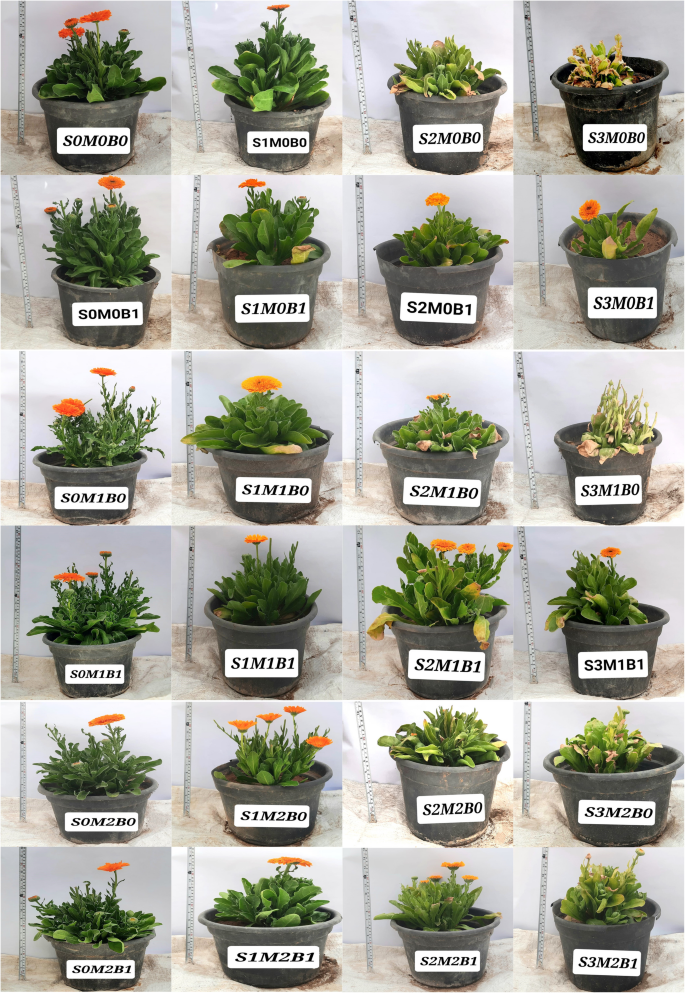
Taken from this article, it shows the effect of some bio-stimulants, including melatonin, on calendula officinalis (one of my favorite plants). A layout of the experiment. Salinity levels (S), S0 = Tap water, S1 = 42.8 mM, S2 = 85.6 mM, S3 = 128.3 mM, Melatonin (M), M0 = 0 µM, M1 = 50 µM, M2 = 100 µM, Bacterial inoculation (B), B0 = non-inoculation, B1 = inoculation

What about humic and fulvic acids?

Before diving into the compounds that made the cut, I want to address a common question. Humic and fulvic acids are popular in hydroponics, but they do not qualify as pure substances. According to the International Humic Substances Society, these are “complex and heterogeneous mixtures of polydispersed materials” containing thousands of distinct organic compounds (1). Modern analytical chemistry has identified 5,000 to 7,000 unique molecules in typical humic extracts. While they can be effective bio-stimulants, they fall outside the scope of this article because their variable composition makes reproducibility difficult to guarantee across different sources.

Amino acids with extensive research support

Two amino acid compounds stand out for having robust evidence across multiple independent studies: glycine betaine and L-proline.

Glycine betaine functions as an osmoprotectant, stabilizing protein structure and protecting photosystem II under stress conditions (2). Commercial greenhouse hydroponic lettuce production in Finland demonstrated reduced nitrate accumulation while maintaining yield (3). Hydroponic trials in chickpea showed significant improvements in chromium stress tolerance at 11715 ppm (4). Field applications at 700 ppm improved lettuce performance under water stress (5). Pot studies with maize demonstrated enhanced growth and chlorophyll content under drought at concentrations of 3650 to 3840 ppm (6). Hydroponic maize trials with 11.7 ppm showed improved salt tolerance through Na+ homeostasis regulation (7). Field trials in winter wheat at 5858 ppm demonstrated improved water use efficiency under limited irrigation (8).

L-proline operates through similar osmoprotective mechanisms while also acting as a reactive oxygen species scavenger. Greenhouse hydroponic studies in maize showed significant drought tolerance improvements at 576 to 1151 ppm application rates (9). Field trials conducted in Egypt during 2017-2018 demonstrated that foliar proline at 230 to 461 ppm significantly improved maize yield under drought stress with both surface and drip irrigation systems (10). Greenhouse tomato trials showed that 100 ppm proline application alleviated heat stress damage and increased fruit yield per plant (11). Tomato seedling studies demonstrated that 1151 ppm foliar proline provided protection against chilling stress through enhanced antioxidant enzyme activities (12). Hydroponic NFT tomato trials with 1151 ppm foliar proline application alleviated salinity stress effects on cell ultrastructure and photosynthesis (13). Multiple greenhouse studies confirmed proline improved stress tolerance across various crops at concentrations between 576 to 2878 ppm (14).

Silicon: the most extensively validated bio-stimulant

Potassium silicate (K₂SiO₃) is the most practical option for nutrient solution supplementation. At hydroponic pH levels, it hydrolyzes into monosilicic acid and potassium ions. Plants absorb the monosilicic acid through specialized aquaporin-type channels and deposit it as amorphous silica in cell walls (15). This creates physical barriers against pathogens while improving structural integrity.

An important point to understand about silicon sources: at the pH where plants are fed in hydroponics, acid-stabilized silicon products and potassium silicate sources generate the exact same monosilicic acid. Stabilized monosilicic acid products are not more plant available than potassium silicate. The advantage of stabilized products is that they remain stable longer in recirculating systems and do not require pH adjustment, while potassium silicate polymerizes relatively quickly at typical hydroponic pH values.

Multiple greenhouse trials demonstrated pronounced resistance to powdery mildew in cucumber at 477 ppm Si (16). Melon greenhouse studies showed 65 to 73 percent reduction in powdery mildew disease progress with root application (17). Hydroponic barley trials at various concentrations confirmed growth improvements (18). Greenhouse cucumber studies demonstrated that silicon addition to nutrient solutions significantly reduced powdery mildew severity (19). Recent lettuce research showed silicon extended shelf life by 40 to 80 percent (20). Zucchini greenhouse trials confirmed silicon effectiveness against powdery mildew when applied both foliar and through roots (21).

Melatonin: an emerging bio-stimulant with strong evidence

Melatonin has emerged as a promising bio-stimulant with extensive research support across multiple crops. This compound functions as both an antioxidant and growth regulator.

Hydroponic tomato trials demonstrated that 11.6 to 46.5 ppm melatonin improved growth and photosynthetic characteristics under saline-alkali stress (22). Greenhouse cucumber studies at 23.2 ppm showed enhanced nitrogen metabolism and growth (23). Tomato fruit quality studies confirmed that 23.2 ppm melatonin promoted accumulation of sugars, amino acids, and secondary metabolites (24). Hydroponic wheat trials with 23.2 ppm enhanced drought tolerance through jasmonic acid and lignin bio-synthesis pathways (25). Cucumber seed priming with melatonin improved antioxidant defense and germination under chilling stress (26). Greenhouse tomato trials demonstrated that 116 ppm melatonin improved salt tolerance when applied as foliar spray (27). Multiple studies confirmed melatonin at 11.6 to 116 ppm enhanced photosynthesis, antioxidant systems, and stress tolerance across various crops (28).

Thiamine (Vitamin B1): disease resistance activator

Thiamine has a unique position among bio-stimulants due to its role in activating systemic acquired resistance in plants rather than direct nutritional effects.

Greenhouse studies demonstrated that foliar application of 5772 ppm thiamine induced systemic acquired resistance in rice, Arabidopsis, tobacco, and cucumber against fungal, bacterial, and viral infections (35). Wheat pot trials showed that 100 ppm thiamine improved growth, chlorophyll content, and yield under water stress (36). Research confirmed thiamine functions as an activator of plant disease resistance through salicylic acid and calcium-dependent signaling pathways (35). Greenhouse trials on multiple crops demonstrated that thiamine treatment at 50 to 100 ppm protects plants against biotic and abiotic stresses (37). Studies showed thiamine enhanced stress tolerance by improving thiamine bio-synthesis pathway regulation under osmotic and salt stress (37). Research on various plant species confirmed thiamine involvement in primary metabolism and stress response mechanisms (38). Soybean trials demonstrated that 50 to 100 ppm thiamine favors plant development and grain yield as a bio-stimulant (39).

Important note: Thiamine does NOT stimulate root growth or reduce transplant shock in whole plants despite common marketing claims. Its beneficial effects are limited to disease resistance and metabolic enhancement.

Plant hormones with consistent small-scale validation

Gibberellic acid (GA3) has extensive greenhouse and laboratory validation across multiple crops. Hydroponic lettuce and rocket floating system trials established tested concentrations around 0.35 ppm for enhanced growth and yield (29). Hydroponic lettuce studies with 20 to 100 ppm GA3 showed improved morphological characteristics and yield (30). Greenhouse tomato seed treatment studies demonstrated that 300 to 900 ppm GA3 increased germination percentage and seedling vigor (31). Greenhouse trials on yellow cherry tomatoes showed that 25 to 75 ppm GA3 foliar applications increased stem diameter, branch number, and fruit biomass by up to 93.8% (32). Hydroponic cucumber studies confirmed that 1.7 ppm GA3 reversed growth inhibition caused by low root-zone temperatures (33). Greenhouse tomato seedling trials demonstrated that GA3 treatment improved growth and reduced heavy metal accumulation under stress conditions (34). The compound decreased nitrate accumulation in leafy vegetables while increasing dry weight. Concentrations around 0.35 ppm are widely used in research settings for various crops, though higher concentrations cause excessive elongation that reduces marketability.

Salicylic acid shows consistent benefits across greenhouse trials. Hydroponic cucumber studies demonstrated yield improvements at 69 ppm (40). Greenhouse tomato trials showed positive effects on plant growth and yield at 69 ppm applications (41). Greenhouse tomato trials with 250 ppm salicylic acid enhanced drought tolerance through improved antioxidant enzyme activity (42). Field tomato studies demonstrated 40 to 45 percent yield increases at 138 to 207 ppm under water stress (43). Greenhouse cucumber trials confirmed improved phenolic compounds and yield at 10.4 to 69 ppm (44). Hydroponic maize studies showed protection against chilling injury at 69 ppm (45).

Suggested test application rates and practical suggestions

Based on the evidence reviewed, here are some suggestions if you want to try pure compound bio-stimulants. As always, make sure to try on a small number of plants before making large scale applications:

For silicon supplementation, potassium silicate at 20 ppm Si (approximately 40 ppm SiO₂) offers excellent disease resistance and yield benefits. Add it to your nutrient solution at each reservoir change and adjust pH accordingly. Remember that low cost potassium silicates can provide readily available monosilicic acid when used properly. For more details on silicon use in hydroponics, see this previous article.

For stress tolerance, glycine betaine at 700 ppm in nutrient solution or L-proline at 575 ppm as foliar application can significantly improve crop performance under salt or drought conditions. For comprehensive guidance on glycine betaine applications, see this previous article.

For melatonin applications, use 25 ppm as foliar spray or in nutrient solution. This concentration has shown consistent benefits across multiple crops for stress tolerance and growth enhancement.

For disease resistance, thiamine at 100 ppm as foliar spray activates systemic acquired resistance. This is particularly useful for preventive disease management rather than direct growth promotion. For detailed information on thiamine applications, see this previous article.

For specialized applications, gibberellic acid at 0.35 ppm or salicylic acid at 30 ppm offer targeted benefits, though these require more careful application timing and concentration control. For more information on salicylic acid use, see this previous article.

Summary table: Pure compounds with reproducible effects

Compound Number of Studies Tested Concentration Primary Benefits
Glycine Betaine 7 studies (2, 3, 4, 5, 6, 7, 8) 12–5900 ppm Osmoprotection, salt tolerance, reduced nitrate
L-Proline 6 studies (9, 10, 11, 12, 13, 14) 230–2900 ppm (foliar) ROS scavenging, drought tolerance, salt stress
Potassium Silicate 7 studies (15, 16, 17, 18, 19, 20, 21) 14–42 ppm Si Disease resistance, shelf life, structural integrity
Melatonin 7 studies (22, 23, 24, 25, 26, 27, 28) 11–116 ppm Antioxidant activity, stress tolerance, growth regulation
Gibberellic Acid 6 studies (29, 30, 31, 32, 33, 34) 0.35–1.7 ppm Fruit development, reduced nitrate, cell elongation
Thiamine (Vitamin B1) 5 studies (35, 36, 37, 38, 39) 50–100 ppm (foliar) Disease resistance activation, stress metabolism
Salicylic Acid 6 studies (40, 41, 42, 43, 44, 45) 70–250 ppm Stress tolerance, yield enhancement, disease resistance

The key advantage of using pure compounds rather than commercial blends is reproducibility. When you know exactly what you are applying and at what concentration, you can systematically optimize your system and troubleshoot problems effectively. Each of these compounds has been validated across multiple independent studies, giving you confidence that results can be consistent across different growing conditions.

However, keep in mind that crop conditions can be very variable and, while these bio-stimulants have been validated across various scenarios, effects can vary depending on the particular circumstances of each crop.

Have you tried any of these pure compound bio-stimulants in your hydroponic system? What were your results? Let us know in the comments below!



Thiamine as a biostimulant in hydroponic and soilless systems

Vitamin B1 (thiamine) is one of those additives that has circulated through the hydroponic community for decades, but the science behind its actual effects on plant growth has remained somewhat murky for most growers. Many products marketed for hydroponic use contain thiamine as part of their formulation, yet few growers understand when and how pure thiamine applications can genuinely benefit their crops. After reviewing the peer-reviewed literature on this topic, I want to share what the science actually tells us about using thiamine as a biostimulant in soilless cultivation.

Model representation of the thiamine molecule (vitamin B1).

What makes thiamin work in plants

Thiamine functions as an essential cofactor in central plant metabolism. The active form, thiamine diphosphate, participates directly in the tricarboxylic acid cycle, pentose phosphate pathway, and amino acid biosynthesis (1). Plants can synthesize their own thiamine, but research has demonstrated that exogenous application of pure thiamine can enhance growth, particularly when plants face environmental stress. This is not simply a case of feeding plants something they lack. Rather, thiamine appears to act as a signaling molecule that upregulates stress-responsive genes and activates calcium signal transduction pathways in plant cells.

The most pronounced effects of thiamin application occur under abiotic stress conditions like drought and salinity. Under these circumstances, thiamine triggers the antioxidant defense system, helping plants manage reactive oxygen species that would otherwise cause cellular damage. This stress-protective role explains why many of the most impressive results in the scientific literature come from studies conducted under suboptimal growing conditions rather than ideal environments.

Foliar applications show the strongest yield effects

The bulk of the peer-reviewed research on thiamine as a biostimulant has focused on foliar spray applications rather than root-zone delivery. I would suggest growers interested in experimenting with thiamine consider foliar application as their primary method based on the current evidence.

One particularly well-designed study on pea plants tested foliar thiamine at concentrations of 250 ppm and 500 ppm under both normal and drought conditions (2). The results were impressive: 500 ppm thiamine increased the number of pods per plant by 37 to 63% depending on variety and stress level. Root length improved by 55 to 62% compared to untreated controls. The researchers found that 500 ppm was more effective than 250 ppm across most parameters measured.

An older but highly cited field study from 1993 examined maize response to foliar thiamine at 100 ppm applied during the vegetative stage at 30 and 45 days after sowing (3). This treatment increased grain yield by 20.2% over untreated controls. The researchers attributed the yield boost to improved photosynthetic efficiency and delayed leaf senescence. This study is notable because it demonstrated yield improvements under normal field conditions, not just under stress.

Research on coriander and fenugreek in controlled greenhouse conditions tested three thiamine concentrations: 250, 500, and 750 ppm (4). For coriander, 500 ppm proved optimal for vegetative growth, while 750 ppm produced the highest 1000-grain weight and elevated nitrogen and phosphorus content in the tissue. Fenugreek showed maximum vegetative response at 750 ppm, with improved chlorophyll, carotenoid, and phenolic content across all thiamine treatments.

Crop Concentration (ppm) Key Finding Application Method
Pea 500 37-63% more pods per plant Foliar spray
Maize 100 20.2% grain yield increase Foliar spray at 30 and 45 DAS
Coriander 500-750 Best vegetative growth and grain weight Foliar spray
Fenugreek 750 Maximum growth response Foliar spray
Faba bean 100 Best yield under salt stress Foliar spray at 30 and 45 DAS
Cauliflower 16000-33000 Improved biomass and antioxidants Foliar spray

Evidence for root-zone applications in soilless systems

Root-zone thiamine application in true hydroponic or soilless systems has received far less research attention than foliar methods. This is an important point for hydroponic growers to understand. Most of what we know about thiamine comes from foliar studies or soil-based experiments, not from nutrient solution applications in recirculating systems.

One relevant study examined both root and shoot application of thiamine on sunflower grown in sand culture with nutrient solution (8). The researchers tested concentrations of 5 and 10 ppm added to the root zone under salt stress conditions. Root-zone thiamine improved potassium uptake, maintained leaf water content, increased chlorophyll levels, and enhanced shoot and root dry mass. Both root and shoot applications were effective, with root application showing comparable benefits to foliar spray. This suggests that adding small amounts of thiamine directly to hydroponic nutrient solutions may provide stress protection for crops growing in challenging conditions.

For growers running hydroponic systems, I would recommend starting with concentrations in the 5 to 10 ppm range for root-zone applications based on this evidence. Higher concentrations used in foliar studies may not be appropriate for continuous nutrient solution application.

Stress mitigation versus yield enhancement

One critical distinction that emerges from the literature is the difference between stress mitigation effects and yield enhancement under optimal conditions. Most studies demonstrating dramatic improvements from thiamine applications were conducted under some form of abiotic stress, typically drought or salinity.

Research on cauliflower under water deficit stress found that foliar thiamine at 16,864 to 33,727 ppm substantially improved plant biomass, photosynthetic pigments, and inflorescence quality (5). The treatment enhanced the antioxidant defense system and reduced hydrogen peroxide accumulation in stressed plants. Field trials on faba bean under salt-affected soil conditions showed that 100 ppm thiamine caused the highest increases in growth and yield parameters, with significant improvements in carbohydrates, free amino acids, and proline content (6).

A recent 2024 study on faba bean under 100 mM NaCl salinity stress compared thiamine at 50 and 100 ppm (7). The 100 ppm treatment promoted seedling fresh weight by 4.36 g and dry weight by 1.36 g versus controls. Total antioxidant capacity reached 28.14% at 50 ppm thiamine under saline conditions. Chlorophyll b content increased by 209% relative to controls with 100 ppm thiamine treatment.

Study Stress Type Thiamine Concentration Key Quality Improvement
Pea 2023 Drought 500 ppm Increased antioxidants and proteins
Cauliflower 2022 Water deficit 16,864-33,727 ppm Enhanced phenolics and ascorbic acid
Faba bean 2019 Salinity 100 ppm Higher carbohydrates and amino acids
Faba bean 2024 Salinity 50-100 ppm 209% chlorophyll b increase, 28% antioxidant capacity

For growers running well-optimized systems without significant environmental stress, the benefits of thiamine supplementation may be less pronounced than these studies suggest. The maize study showing 20% yield improvement under normal field conditions represents one of the few examples of substantial benefits without imposed stress. However, examples like these are not common in the literature.

Practical recommendations for hydroponic growers

Based on my review of the available peer-reviewed research, here are my suggestions for growers interested in experimenting with thiamine in their systems:

For foliar applications, concentrations between 100 and 500 ppm appear most effective based on the literature. Applying at the vegetative stage and repeating applications at 2 to 3 week intervals follows the protocols used in successful studies. Adding a surfactant like 0.1% Tween-20 to foliar solutions improves leaf coverage and uptake.

For nutrient solution applications in hydroponic systems, lower concentrations of 5 to 10 ppm are more appropriate based on the sand culture research. Be aware that thiamine can degrade in solution, particularly in the presence of light and at higher pH values. The stability of thiamine in recirculating nutrient solutions has not been well characterized, which represents a gap in the current research.

The strongest case for thiamine supplementation exists when crops face environmental stress. If your growing environment experiences temperature extremes, salt buildup in the root zone, or other suboptimal conditions, thiamine may provide meaningful protection. For well-optimized controlled environment systems running under ideal conditions, the benefits may be more modest.

Thiamine hydrochloride is the most commonly available and tested form. It dissolves readily in water and is relatively inexpensive compared to many specialty biostimulant products. This makes it an accessible option for growers who want to run their own trials.

The bottom line on vitamin B1

The peer-reviewed evidence demonstrates that pure thiamine applications can improve plant growth, yield, and quality, particularly under stress conditions. Foliar applications at 100 to 500 ppm have shown the most consistent positive results across multiple crop species. Root-zone applications in soilless systems remain less studied but appear effective at lower concentrations around 5 to 10 ppm.

Growers should approach thiaminee with realistic expectations. It is not a magic yield booster that will transform mediocre results into exceptional harvests. Instead, it functions as a stress protector and metabolic support compound that can help plants maintain performance when conditions are challenging. The most significant benefits will likely be seen by growers dealing with environmental stress factors that are difficult to fully control.

For anyone interested in testing thiamine in their hydroponic or soilless systems, the research provides a solid foundation for experimental protocols. Start with the concentrations and application methods validated in the scientific literature, keep good records, and run proper controls. This is an area where thoughtful experimentation can help fill gaps in our understanding of how thiamine performs in recirculating hydroponic systems.

A practical note on foliar applications

One thing worth mentioning for growers planning to use thiamine as a foliar spray is the distinctive odor that develops as thiamine degrades. After application, particularly as the spray solution ages or when thiamine breaks down on leaf surfaces, you may notice a sulfurous smell. This is normal and results from the thiazole ring structure in the thiamine molecule, which contains sulfur. The smell is not an indication of any problem with the treatment, just a characteristic of thiamine chemistry. Some growers find it unpleasant, while others barely notice it. If you are working in an enclosed growing space, be aware that this odor may be noticeable for a period after spraying. This is simply something to factor into your application timing and ventilation planning.

Have you experimented with thiamine or other B vitamins in your hydroponic system? What results did you observe? Let us know in the comments below!


Exogenous Sugar Applications: A deeper look

The application of external sugars (sucrose, glucose, fructose) to adult plants has generated interest as a potential biostimulant strategy, with research revealing complex concentration-dependent effects that range from beneficial to detrimental. While some studies demonstrate legitimate applications in stress tolerance and disease resistance, the evidence for routine commercial use in hydroponic production systems remains unconvincing. This review provides a deeper look complimenting my previous blog posts on the matter, it examines peer-reviewed research on exogenous sugar applications in mature plants, highlighting both promising findings and significant physiological constraints that limit practical implementation.

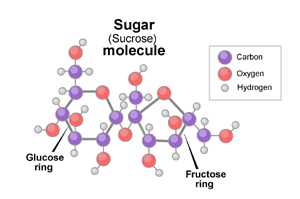
A model representation of thee sucrose molecule, the most widely available commercial sugar source

Hydroponic Research Limitations

A fundamental challenge in evaluating sugar biostimulants is the near-complete absence of peer-reviewed studies investigating exogenous sugar effects on yields in commercial hydroponic environments. (1) This research gap reflects established plant physiology principles showing that sugar transport from roots to shoots is extremely inefficient, making external contributions negligible compared to photosynthetic production. Any observed benefits likely operate through indirect mechanisms such as rhizosphere modification or stress tolerance enhancement rather than direct nutritional supplementation.

Research confirms that plants invest 20-40% of photosynthetically fixed carbon in root exudates, with most estimates ranging from 5-21% depending on species and environmental conditions. (2) These exudates consist primarily of metabolites that are passively lost and rapidly consumed by rhizosphere microorganisms rather than reabsorbed by the plant, indicating limited potential for root-mediated sugar uptake in mature plants.

Concentration-Dependent Physiological Effects

Recent research reveals that exogenous sugar applications produce dramatically different effects depending on concentration, with narrow windows between benefit and toxicity. A comprehensive study on Andrographis paniculata grown in hydroponic conditions demonstrated that sucrose concentrations of 0.5-5 mM promoted plant growth, enhanced nitrogen metabolism, and increased root activity. (3) However, 10 mM sucrose caused growth retardation, increased oxidative stress markers, and induced plant senescence, illustrating the critical importance of precise concentration control.

Similar concentration sensitivity was observed in tomato plants under controlled greenhouse conditions, where 100 mM sucrose applications enhanced leaf area, chlorophyll content, and growth rates under suboptimal light conditions. (4) Lower concentrations (1-10 mM) produced intermediate effects, while concentrations above 100 mM were not tested due to osmotic stress concerns. These findings suggest that optimal concentrations may vary significantly between species and environmental conditions.

Plant Species Sugar Type Beneficial Range Detrimental Effects Above Primary Response
Andrographis paniculata Sucrose 0.5-5 mM 10 mM Enhanced growth vs. senescence
Tomato (Solanum lycopersicum) Sucrose 100 mM (optimal) Not tested Increased leaf area, chlorophyll
Wheat (salt stress) Glucose 0.1-50 mM Not tested Stress tolerance improvement
Melon (cold stress) Glucose 0.5-1% (root irrigation) Not tested Cold tolerance enhancement

Photosynthetic Downregulation: A Major Constraint

A critical limitation of exogenous sugar applications is their potential to trigger photosynthetic downregulation through sugar sensing pathways. Research on green algae reveals that glucose applications can completely shut off photosynthesis through hexokinase-mediated signaling, with cells switching from autotrophic to heterotrophic metabolism. (5) While this mechanism is most pronounced in algae, similar pathways exist in higher plants and represent a significant physiological constraint.

Conversely, research on Brassica juncea demonstrated that foliar glucose applications at 2-8% concentrations enhanced photosynthetic parameters including stomatal conductance, transpiration rate, and net photosynthetic rate. (6) This apparent contradiction highlights the concentration-dependent and species-specific nature of sugar effects on photosynthetic processes, with optimal concentrations potentially enhancing performance while excessive levels trigger suppression.

Exogenous sugar applications can either enhance or suppress photosynthetic processes depending on concentration, application method, and plant species. This dual nature represents a fundamental constraint requiring precise optimization for each application scenario.

Stress Tolerance Applications

The most promising applications of exogenous sugars appear to be in stress tolerance enhancement rather than routine production use. Research on wheat plants under salt stress demonstrated that glucose applications at concentrations from 0.1 to 50 mM significantly improved germination rates and growth under saline conditions. (7) The mechanism involved enhanced antioxidant enzyme activities and improved osmotic adjustment, suggesting legitimate stress mitigation effects.

Similar benefits were observed in melon plants exposed to cold stress, where root-applied glucose (0.5-1% concentration) proved more effective than foliar application in improving cold tolerance in melon seedlings. (8) The treatment enhanced photosystem II efficiency, reduced membrane damage, and accelerated photosynthetic recovery following cold exposure. Notably, the study found that glucose applications were more effective for cold-sensitive genotypes than cold-tolerant ones, suggesting targeted applications may be most beneficial for very young plants.

Field Crop Applications: Limited Academic Evidence

Academic field trials consistently show minimal or statistically insignificant yield responses to sugar applications in major crops. Multi-state university studies on soybeans and corn using various sugar sources (dextrose, sucrose, molasses) at 3-4 lb/acre showed no statistical yield differences compared to untreated controls (P=0.60 for soybean studies). (9) These results held across multiple years and environments, suggesting that field conditions do not support the theoretical benefits observed in controlled laboratory studies.

Long-term university research conducted over 10 years at 117 locations in Michigan evaluated foliar fertilizer applications that included sugar additions to soybeans. The 3-16-16 fertilizer containing micronutrients was applied with 1 qt/acre of sugar at R1 and R3 growth stages. (10) Results showed yield increases at only 2 of 27 sites (7% success rate), with the majority of locations showing no significant response to sugar-containing treatments. Additionally, foliar sugar applications carry the risk of enhancing foliar pathogen growth by providing readily available carbon sources on leaf surfaces, potentially increasing disease pressure rather than providing the intended benefits.

Study Crop Sugar Source Application Rate Yield Response Statistical Significance
Multi-state University Soybeans Various sugars 3 lb/acre No difference P=0.60 (not significant)
Nebraska/Ohio Trials Corn Dextrose, sucrose 4-7 lb/acre Variable (0-6 bu/acre) Not consistently significant
Michigan State (27 sites) Soybeans Sugar + fertilizer 1 qt/acre sugar Positive at 2/27 sites 7% success rate
North Dakota University Soybeans Foliar fertilizer + sugar Variable No increase Decreased profitability

Disease Resistance and Sugar Content Relationships

Research has established a clear relationship between naturally high sugar content in plant tissues and enhanced disease resistance, though this does not necessarily translate to benefits from exogenous sugar applications. Studies across multiple plant-pathogen systems demonstrate that plants with elevated endogenous sugar levels show enhanced resistance through several mechanisms including oxidative burst stimulation, defense gene activation, and pathogenesis-related protein induction. (11) This “high-sugar resistance” phenomenon appears to function through priming of plant immune responses rather than direct antimicrobial activity.

The mechanistic basis involves sugars interacting with hormonal signaling networks that regulate plant immunity, with endogenous sucrose, glucose, and fructose levels influencing expression of defense-related genes. (12) However, the critical distinction is that these benefits are associated with plants that naturally accumulate high sugar concentrations through their own metabolic processes, not necessarily through external sugar supplementation.

Recent advances in understanding sugar-defense signaling reveal that glucose-6-phosphate acts as a critical coordinator of plant defense responses, with cellular sugar levels determining the amplitude and types of defense outputs against bacterial and fungal pathogens. (13) While this mechanistic understanding provides insight into plant immunity, translating these findings into practical exogenous applications faces the challenge that external sugar additions may not effectively raise intracellular concentrations or may trigger negative feedback responses that counteract any theoretical benefits.

Academic Economic Analysis

University research consistently concludes that economic justification for sugar applications remains questionable even when modest biological effects are observed. Academic studies demonstrate that foliar fertilization applications in fields without known nutrient deficiency do not increase yields but decrease profitability due to application and material costs without corresponding yield benefits. (11)

The economic analysis from university trials indicates that other management strategies should take precedence over sugar applications, with researchers noting that opportunity costs typically exceed any realized benefits. For hydroponic operations, the economic threshold becomes even more challenging due to higher baseline production costs, the need for precise concentration control to avoid negative effects, and substantial additional costs associated with contamination prevention and system sanitation. The risk of biofilm formation and pathogen enhancement requires increased monitoring, more frequent system cleaning, and potential crop losses that significantly impact the economic viability of sugar applications.

Practical Constraints in Hydroponic Systems

Academic research identifies several critical constraints for hydroponic applications of exogenous sugars that limit their practical implementation. The primary concern involves microbial proliferation, as external sugar additions stimulate both beneficial and pathogenic microorganisms indiscriminately. This creates oxygen demand around roots while potentially establishing anaerobic conditions detrimental to plant health.

Research demonstrates that sugar concentrations must remain below critical thresholds to avoid osmotic stress and microbial contamination in recirculating systems. The concentration-dependent studies on Andrographis and tomato plants indicate that effective ranges are narrow, with beneficial effects at low concentrations (0.5-5 mM) rapidly transitioning to detrimental effects at higher concentrations (10 mM and above). At the conservative concentrations required for hydroponic safety, the likelihood of measurable biological effects diminishes substantially.

Critical Pathogen Risk: Sugar applications to leaves or growing media provide readily available carbon sources that can enhance the growth and virulence of foliar and root pathogens. This includes bacterial pathogens, fungal diseases, and opportunistic microorganisms that may outcompete beneficial microbes for the supplemented carbon source.

Biofilm Formation Hazard: Sugar additions to hydroponic nutrient solutions significantly increase the risk of biofilm formation in irrigation lines, pumps, reservoirs, and growing surfaces. Biofilms create protected environments for pathogenic microorganisms, reduce system efficiency through flow restriction, and are extremely difficult to eliminate once established. The sticky nature of biofilms can trap additional pathogens and organic matter, creating persistent contamination sources throughout the production system.

Future Research Directions

The current state of academic research on exogenous sugar applications reveals significant knowledge gaps that limit evidence-based recommendations for commercial hydroponic production. Priority areas include systematic dose-response studies across multiple crop species, long-term effects of chronic sugar exposure, and comprehensive analyses that account for full production costs including contamination management and system complexity.

Academic reviews emphasize that future hydroponic research should focus on controlled studies with proper statistical design, multiple growing cycles, and careful attention to microbial dynamics. (12) Research on carbohydrate applications in plant immunity suggests that understanding sugar perception mechanisms and signaling pathways may lead to more targeted applications, though practical implementation remains challenging. (13)

Evidence-Based Recommendations

Based on available peer-reviewed academic research, routine application of exogenous sugars cannot be recommended as standard practice in commercial hydroponic production. While some studies demonstrate concentration-dependent benefits in stress tolerance enhancement under controlled conditions, the evidence for disease resistance benefits through exogenous applications is very limited, as most research focuses on naturally occurring high sugar content rather than external supplementation. The concentration-dependent nature of effects, potential for photosynthetic downregulation, pathogen enhancement risks, biofilm formation concerns, and economic considerations documented in university studies make widespread adoption inadvisable. Evidence for mass gain benefits of exogenous sugar supplementation are basically non-existent.

Academic research suggests that growers considering sugar applications should recognize that resources would be better directed toward proven management strategies including optimized nutrition, environmental control, and integrated pest management. The risk-benefit analysis from university studies does not support sugar supplementation as a reliable yield enhancement or disease management strategy in hydroponic systems, particularly given the potential for negative effects including enhanced pathogen growth and system contamination that could offset any theoretical benefits.

Future developments in understanding sugar signaling pathways and stress tolerance mechanisms may eventually lead to more targeted applications, but current academic evidence does not justify implementation in routine hydroponic production systems. The narrow concentration windows, species-specific responses, potential for photosynthetic interference, pathogen enhancement risks, biofilm formation hazards, and gap between endogenous sugar benefits and exogenous application efficacy documented in peer-reviewed research present substantial barriers to practical application. The additional costs and management complexity associated with contamination prevention make sugar applications economically and operationally impractical for most commercial hydroponic operations.


Ascorbic Acid as a Biostimulant: Alleviating Stress to Improve Yield and Quality in Hydroponic Systems

The search for sustainable biostimulants to enhance crop productivity has led researchers to investigate ascorbic acid (vitamin C) as a promising alternative to synthetic growth regulators. This natural antioxidant compound has shown remarkable potential in improving both yield and quality parameters in hydroponic and soilless cultivation systems.

Model representation of Ascorbic Acid (Vitamin C)

Understanding Ascorbic Acid as a Biostimulant

Ascorbic acid functions as a (1) multifunctional non-enzymatic antioxidant that plays crucial roles in plant physiology beyond its traditional vitamin C function. In hydroponic systems, ascorbic acid applications can modulate several key physiological processes including photosynthesis, antioxidant defense mechanisms, and stress tolerance responses (2).

Recent research has demonstrated that exogenous ascorbic acid applications can significantly improve nutrient use efficiency and enhance plant growth under stress conditions. The compound acts as a signal molecule that (3) activates antioxidant defense systems and helps maintain cellular redox homeostasis during periods of environmental stress.

Application Methods and Optimal Concentrations

Foliar Applications

Foliar spraying represents the most widely studied application method for ascorbic acid in hydroponic crops. Research on lettuce cultivation has shown that (4) foliar applications of 100-400 ppm ascorbic acid can significantly improve growth parameters and yield under saline conditions. The optimal concentration appears to be crop-specific, with 400 ppm showing the most pronounced effects on lettuce fresh weight and antioxidant enzyme activity.

Root Zone Applications

Direct addition to hydroponic nutrient solutions has shown promising results at lower concentrations. Studies indicate that 200 ppm ascorbic acid applied through the nutrient solution can enhance Rhizobium activity in leguminous crops, leading to improved nitrogen fixation and protein synthesis (5).

Application Timing and Frequency

Foliar Applications: Apply during early morning or late afternoon to minimize photodegradation. Frequency of 7-14 day intervals has shown optimal results.

Nutrient Solution: Continuous low-level supplementation (50-100 ppm) or periodic higher doses (200-300 ppm) every 10-14 days.

Quantitative Effects on Yield Parameters

Multiple studies have documented significant yield improvements with ascorbic acid applications across different crops (note that these studies the yield improvements are over crops under stress conditions). In pea production, (6) treatments with 10 mM (approximately 176 ppm) ascorbic acid increased pea pod yields 40%.

Crop Concentration (ppm) Application Method Yield Increase over stressed conditions (%) Reference
Lettuce 400 Foliar 25-35 (4)
Pea 200 Nutrient Solution 16-40 (5)

Antioxidant System Enhancement

The primary mechanism behind quality improvements involves the strengthening of plant antioxidant systems. (6) Ascorbic acid treatments significantly increased superoxide dismutase, peroxidase, and catalase activities, leading to improved stress tolerance and better maintenance of cellular integrity during growth and post-harvest storage.

Stress Tolerance and Environmental Benefits

One of the most significant advantages of ascorbic acid applications in hydroponic systems is enhanced stress tolerance. (2) Research has demonstrated that ascorbic acid pretreatment can help plants better cope with various abiotic stresses including salinity, drought, and temperature extremes.

In saline conditions, which are particularly relevant for hydroponic systems using recycled water or high-EC nutrient solutions, ascorbic acid applications at 200-400 ppm have shown (4) significant protective effects. Treated plants maintained higher growth rates and better physiological function compared to untreated controls under stress conditions.

Stress Tolerance Benefits:

  • Improved salinity tolerance in nutrient film technique systems
  • Enhanced temperature stress resistance in greenhouse environments
  • Better adaptation to fluctuating nutrient concentrations
  • Reduced oxidative damage during transport and storage

Integration with Hydroponic Management Practices

Compatibility with Nutrient Solutions

Ascorbic acid demonstrates good compatibility with standard hydroponic nutrient formulations. However, care should be taken regarding solution pH, as ascorbic acid stability decreases significantly at pH levels above 7.0. Most hydroponic systems operating at pH 5.5-6.5 provide optimal conditions for ascorbic acid stability and effectiveness (3).

When integrating ascorbic acid into nutrient management protocols, consider the following stability factors. Light exposure can rapidly degrade ascorbic acid, making it essential to prepare fresh solutions or use opaque reservoirs. Temperature also affects stability, with cooler reservoir temperatures (15-20°C) helping maintain compound integrity longer than warmer conditions.

Economic Considerations

The cost-effectiveness of ascorbic acid applications compares favorably to synthetic growth regulators and specialized biostimulant products. (5) Economic analysis of pea production showed that the 16-40% yield increases achieved with 200 ppm applications provided substantial return on investment, especially when considering the additional quality premiums for enhanced nutritional content. Again, note that this is to alleviate stressful conditions.

Application Rate Cost per 1000L Expected ROI Best Use Case
100 ppm $2-4 200-300% Preventive stress management
200 ppm $4-8 300-400% Optimal yield enhancement
400 ppm $8-16 250-350% Stress recovery and quality improvement

Practical Implementation Summary

Ascorbic acid represents a scientifically validated, economically viable biostimulant option for hydroponic growers seeking to enhance both yield and quality when stressful conditions are present. The optimal application strategy involves foliar sprays at 200-400 ppm concentrations, applied every 7-14 days during active growth periods. For continuous systems, nutrient solution supplementation at 50-100 ppm provides baseline benefits with periodic increases to 200-300 ppm during stress periods. The documented improvements in antioxidant content, stress tolerance, and overall plant health make ascorbic acid a valuable addition to sustainable hydroponic production protocols.

If you use ascorbic acid in root applications make sure to control biofilm formation and properly clean your irrigation lines. Test foliar applications first, root applications carry important risks of biofilm formation inside lines. Clogging can happen if application rates and times are not properly controlled or if irrigation lines are not properly maintained.


Organic Sulfur Foliar Sprays: Beyond Sulfate Salts for Hydroponic Crops

Most hydroponic growers think of sulfur supplementation strictly in terms of sulfate salts like magnesium sulfate or potassium sulfate. However, plants can also utilize reduced organic sulfur compounds that offer unique benefits beyond simple nutrient supplementation. These compounds, including thiourea, cysteine, glutathione, methionine, and S-methylmethionine, function as both sulfur sources and bioregulators that can improve stress tolerance, enhance photosynthesis, and promote better nutrient partitioning. In this post, I will show you how to prepare effective organic sulfur foliar sprays using these compounds, with all formulations provided in practical g/gal units.

Thiourea, a sulfur containing organic molecule that has been studied in foliar applications.

Why Organic Sulfur Compounds?

While sulfate is the traditional form for sulfur delivery, organic sulfur compounds offer several advantages. These metabolites are directly involved in plant biochemistry and can bypass the energy-intensive sulfate reduction pathway (1). Foliar application of sulfur-containing metabolites like cysteine, methionine, glutathione, and S-methylmethionine has proven effective in supporting crop tolerance to various abiotic stresses (1).

Additionally, non-metabolite compounds like thiourea act as powerful bioregulators. Thiourea contains three functional groups (amino, imino, and thiol) that each play important biological roles (2). Research has consistently shown that thiourea applications improve plant growth and development under both normal and stressed conditions by modulating the antioxidant defense system and improving photosynthetic performance.

Understanding the Mechanisms

Organic sulfur compounds work through multiple pathways. Cysteine serves as the metabolic precursor for essential biomolecules and is the only metabolic sulfide donor for methionine, glutathione, phytochelatins, iron-sulfur clusters, and vitamin cofactors (1). When applied foliarly, cysteine can directly enter these biosynthetic pathways without requiring reduction from sulfate.

Glutathione, a tripeptide consisting of glutamic acid, cysteine, and glycine, is a powerful antioxidant that removes reactive oxygen species (ROS) and contributes to stress tolerance (1). Foliar-applied glutathione has been shown to improve chlorophyll content, photosynthetic capacity, and water use efficiency in crops under stress conditions (3).

Thiourea operates differently as it is not a normal plant metabolite. It acts primarily by improving the antioxidant defense system, enhancing osmolyte accumulation, and modulating gas exchange attributes (4). Field trials have demonstrated that foliar thiourea applications can increase grain yield by 15-24% depending on timing and concentration (2).

Choosing the Right Organic Sulfur Source

Each organic sulfur compound offers distinct benefits for different applications:

Compound Sulfur Content (%) Primary Benefits Best Application Stage
Thiourea 42% Stress tolerance, antioxidant activation Vegetative to flowering
L-Cysteine 26% Direct sulfur metabolism, protein synthesis Active growth phases
Glutathione (reduced) 10% Antioxidant protection, stress mitigation During stress events
L-Methionine 21% Protein quality, methylation reactions Reproductive stages
S-Methylmethionine 20% Sulfur transport, methyl group donor Seed filling

Formulation Recipes

Below are five formulations for organic sulfur foliar sprays.

Formula 1: Thiourea Bioregulator Spray

Thiourea is the most extensively researched non-metabolite sulfur compound for foliar application.

  • Thiourea: 3.78 g/gal
  • Final Concentration: 1000 ppm (1000 mg/L)
  • Sulfur Provided: 420 ppm

This concentration has been extensively validated in field trials. Applications of 1000 ppm thiourea during tillering and flowering increased wheat grain yield by 24% over controls (2). In canola, the same concentration improved seed yield by 11% and significantly enhanced chlorophyll content and photosynthetic parameters under heat stress (5).

Formula 2: L-Cysteine Metabolite Spray

Cysteine provides direct entry into sulfur metabolism pathways.

  • L-Cysteine: 0.76 g/gal
  • Final Concentration: 200 ppm (200 mg/L)
  • Sulfur Provided: 52 ppm

Research on broccoli showed that foliar applications of cysteine at 100-200 mg/L significantly increased dry weight percentage and improved overall yield when used to partially replace conventional nitrogen fertilization (6). The 200 mg/L concentration provides optimal results without risk of phytotoxicity.

Formula 3: Glutathione Antioxidant Spray

Glutathione is particularly valuable during stress conditions.

  • Glutathione (reduced form): 3.78 g/gal
  • Final Concentration: 1000 ppm (1.0 mM)
  • Sulfur Provided: 100 ppm

Field trials on common beans under water deficit showed that 1.0 mM glutathione foliar application improved irrigation use efficiency by 37% and significantly enhanced chlorophyll content, photosynthetic capacity, and antioxidant enzyme activities (3). Lower concentrations (0.5 mM or 1.89 g/gal) are also effective and may be preferred for sensitive crops.

Formula 4: L-Methionine Amino Acid Spray

Methionine supports protein quality and provides methyl groups for various biosynthetic processes.

  • L-Methionine: 0.76 g/gal
  • Final Concentration: 200 ppm (200 mg/L)
  • Sulfur Provided: 42 ppm

Studies on broccoli demonstrated that methionine foliar application at 200 mg/L improved plant vigor and productivity (6). This concentration is particularly beneficial during reproductive stages when protein synthesis demands are highest.

Formula 5: S-Methylmethionine Transport Form

S-methylmethionine (SMM) is the major long-distance sulfur transport compound in plant phloem.

  • S-Methylmethionine chloride: 0.19-0.38 g/gal
  • Final Concentration: 50-100 ppm (0.05-0.1 mM)
  • Sulfur Provided: 10-20 ppm

While SMM is not commonly available as a commercial product, research shows it comprises approximately 2% of free amino acids in phloem sap and contributes significantly to sulfur partitioning to seeds (7). When available, SMM applications at 0.05-0.1 mM have been shown to improve stress tolerance and nutrient partitioning (8).

Application Guidelines

Organic sulfur compounds require careful handling and specific application conditions for optimal results.

Parameter Recommendation Rationale
Application Timing Early morning (before 8 AM) Maximizes uptake period and minimizes oxidation
Temperature Below 70°F (21°C) Reduces degradation of organic compounds
Solution pH 5.5-6.5 Maintains compound stability
Surfactant 0.1% Tween-20 Improves coverage and penetration (9)
Application Frequency 7-14 day intervals Maintains bioregulatory effects
Storage Prepare fresh, use within 24 hours Prevents oxidation and degradation

Critical Application Notes

Organic sulfur compounds are more sensitive to environmental conditions than inorganic salts. Thiourea solutions should be applied when temperatures are below 70°F to prevent degradation. For glutathione and cysteine, oxidation can occur rapidly in spray solutions, so these should be prepared immediately before use and applied within a few hours (1).

The addition of a non-ionic surfactant like Tween-20 at 0.1% concentration improves leaf wetting and compound penetration. This has been shown to enhance the effectiveness of thiourea and amino acid foliar applications (9).

Timing Applications for Maximum Benefit

The effectiveness of organic sulfur compounds varies with growth stage. Research shows that thiourea applied at both tillering and flowering produces greater yield increases (24%) than single applications at either stage (15-17%) (2). For heat-stressed canola, thiourea applied at anthesis was more effective than seedling-stage applications in activating the plant defense system (10).

Glutathione applications are most beneficial during periods of environmental stress or rapid growth when oxidative pressure is highest. Common beans receiving glutathione under water deficit showed the most dramatic improvements in irrigation use efficiency and stress tolerance (3).

Monitoring Response and Adjustments

The response to organic sulfur compounds extends beyond simple nutrient correction. Plants treated with thiourea at 500 ppm showed increased chlorophyll content by 16%, improved carotenoid levels by 15%, and enhanced antioxidant enzyme activities under stress conditions (11). These physiological improvements often appear before visible growth responses.

Monitor treated plants for improvements in:

  • Leaf chlorophyll content (SPAD readings)
  • Photosynthetic efficiency (Fv/Fm ratios)
  • Leaf relative water content
  • Visual stress symptoms

If improvements are not observed within 7-10 days after application, consider increasing concentration by 25-50% or applying at a different growth stage.

Integration with Conventional Nutrition

Organic sulfur foliar sprays work best as supplements to a complete hydroponic nutrient program. Your base nutrient solution should still provide 30-60 ppm sulfur through conventional sulfate salts. The organic compounds discussed here serve specialized roles in stress mitigation, growth regulation, and metabolic optimization rather than as primary sulfur sources.

Field research consistently demonstrates that combined approaches (soil/solution nutrition plus foliar bioregulators) produce superior results to either method alone. The combination allows you to maintain adequate baseline nutrition while providing targeted bioactive compounds when plants need them most.

Cost Considerations

Organic sulfur compounds are more expensive than sulfate salts. Thiourea is the most economical option at approximately $20-30 per kilogram from chemical suppliers. Amino acids like cysteine and methionine cost $50-150 per kilogram. Glutathione is more expensive at $200-400 per kilogram for the reduced form.

However, the low application concentrations mean that costs per application remain reasonable. A 1000 ppm thiourea spray requires only 3.78 g per gallon, making each gallon of spray solution cost approximately $0.10-0.15. Given the documented yield improvements of 10-24%, the return on investment is highly favorable for most crops.

Conclusion

Organic sulfur compounds represent a powerful tool for hydroponic growers seeking to optimize plant performance beyond basic nutrition. Thiourea, cysteine, glutathione, methionine, and S-methylmethionine each offer unique benefits through their bioregulatory effects and direct participation in plant metabolism. By using the formulations provided here and following proper application protocols, you can enhance stress tolerance, improve photosynthetic efficiency, and increase yields in your hydroponic operation.

Start with thiourea applications during critical growth stages as it offers the best combination of effectiveness, research validation, and cost-efficiency. As you gain experience, experiment with cysteine and glutathione for specific stress situations. Remember that these compounds work best when integrated into a comprehensive nutrition program rather than as standalone treatments.

The shift from thinking about sulfur purely as a nutrient to understanding its role in plant signaling and stress responses opens new possibilities for crop management in controlled environment agriculture.


Creating an Effective “Greener” Foliar Spray from Raw Salts to Combat Yellowing in Productive Crops

Yellowing in productive crops represents one of the most common symptoms growers face when nutrient availability becomes limiting. While root zone nutrition remains the foundation of crop feeding, foliar applications offer a rapid and targeted approach to address visible deficiency symptoms. When plants show signs of chlorosis, growers need solutions that work quickly to prevent yield losses. In this post, we’ll explore how to prepare an effective foliar spray from common fertilizer salts to tackle the most prevalent causes of yellowing in hydroponic and soilless growing systems.

Typical Fe deficiency that can be targeted with a “greener” spray.

Understanding the Primary Causes of Chlorosis

Before formulating any foliar spray, it’s important to understand which nutrients are most commonly implicated in leaf yellowing. The major players are nitrogen, iron, and magnesium, each producing distinct visual symptoms. Nitrogen deficiency causes uniform yellowing that begins in older leaves since nitrogen is a mobile nutrient within the plant (1). Iron deficiency produces interveinal chlorosis in young leaves, as iron cannot be readily translocated from older tissues (2). Magnesium deficiency presents as interveinal yellowing that starts on older leaves, reflecting its mobile nature within the plant.

The effectiveness of foliar applications varies substantially depending on the nutrient in question. Research has demonstrated that foliar fertilization can achieve higher nutrient use efficiency compared to soil application for certain elements, being particularly effective for micronutrients (1). However, foliar applications should be viewed as a complementary approach rather than a replacement for proper root zone nutrition, especially for macronutrients like nitrogen where plant demand substantially exceeds what can be delivered through leaf surfaces.

The Science Behind Foliar Uptake

Nutrients enter leaves primarily through the cuticle, the waxy protective layer covering epidermal cells. The cuticle contains microscopic pores lined with negative charges, which preferentially allow entry of positively charged nutrients such as ammonium, potassium, and magnesium (3). This explains why certain fertilizer forms work better than others in foliar applications. Urea, despite being a neutral molecule, penetrates the cuticle readily and is considered one of the most effective nitrogen sources for foliar feeding. Negatively charged nutrients like nitrate and phosphate face greater difficulty penetrating leaf surfaces and must often be paired with cation partners for effective uptake.

Temperature and timing significantly affect uptake rates. Applications should be made during cooler parts of the day when stomata are open and evaporation rates are lower. Research indicates that foliar applications are most effective when leaves remain wet for at least 12 hours for nutrients like urea and ammonium, though other nutrients may require several days of wetting and rewetting cycles for optimal absorption.

Iron: The Chlorosis Specialist

Iron deficiency remains one of the most common causes of chlorosis in productive crops, particularly in systems with elevated pH. Foliar iron applications have been extensively studied, with ferrous sulfate emerging as a highly effective and economical option. Studies with peach trees showed that applications of 2 mM ferrous sulfate (approximately 112 ppm Fe) with a surfactant produced significant re-greening effects in treated leaf areas (2). However, it’s critical to understand that foliar iron applications primarily benefit the treated leaf areas, with limited translocation to untreated portions of the same leaf or to other plant parts when chlorosis is already established.

The concentration of iron in foliar sprays requires careful consideration. Research on pear trees found that ferrous sulfate produced re-greening effects similar to more expensive iron chelates when applied to chlorotic leaves (4). Practical concentrations for ferrous sulfate typically range from 0.5% to 0.7% by weight, which corresponds to roughly 1000 to 1400 ppm of iron when using ferrous sulfate heptahydrate (FeSO₄·7H₂O) containing approximately 20% iron. A more conservative approach uses 2 ounces of 20% iron ferrous sulfate per 3 gallons of water for foliar application, providing approximately 500 ppm iron.

Practical Formulation: A Multi-Nutrient “Greener” Spray

Based on the scientific literature and practical considerations, here is a comprehensive foliar formulation designed to address the most common causes of yellowing in productive crops. This formulation targets nitrogen, iron, and magnesium deficiencies simultaneously while maintaining safety margins to prevent leaf burn. The addition of citric acid improves the effectiveness of the iron component by maintaining it in the more readily absorbed ferrous form and enhancing penetration through the leaf cuticle.

Research with pear trees showed that ferrous sulfate combined with citric acid provided slightly better re-greening results than ferrous sulfate alone (4). Similarly, studies with plane trees found that 0.7% ferrous sulfate combined with 4-8 mM malic acid or citric acid produced superior results compared to ferrous sulfate alone (5). The acidification helps maintain iron in the more readily absorbed ferrous form and may enhance penetration through the leaf cuticle.

Complete Formulation per Gallon of Water

Fertilizer Salt Amount (g/gal) Key Nutrient Provided
Low biuret Urea (46-0-0) 4.0 Nitrogen
Magnesium Sulfate Heptahydrate (Epsom salt) 4.0 Magnesium
Ferrous Sulfate Heptahydrate (20% Fe) 2.5 Iron
Citric Acid (anhydrous) 0.8 pH adjustment and iron stabilization

Resulting Nutrient Concentrations

Nutrient Concentration (ppm) Effective Range
Nitrogen (from urea) 486 Moderate to severe N deficiency
Magnesium (Mg) 104 Magnesium deficiency
Iron (Fe) 132 Iron chlorosis correction

This formulation provides nitrogen at a concentration suitable for addressing moderate deficiencies without excessive risk of leaf burn. Urea is preferred over ammonium sulfate due to its lower osmotic potential and superior leaf penetration characteristics (6). The osmolality of urea is approximately 1018 mmol/kg compared to 2314 mmol/kg for ammonium sulfate, making urea substantially less likely to cause salt injury to leaf tissues when applied as a foliar spray.

This formulation should be prepared fresh before each application, as ferrous iron oxidizes to the less available ferric form when exposed to air at neutral or alkaline pH. The solution should have a pH around 4.0, which helps maintain iron solubility and prevents oxidation during the brief period between mixing and application.

Application Considerations and Timing

The timing and method of application dramatically influence the effectiveness of foliar sprays. Research on wheat demonstrated that foliar application of magnesium sulfate during the booting stage maintained high canopy photosynthesis after anthesis and improved grain filling (7). For productive crops showing chlorosis symptoms, applications should be made at 7-10 day intervals, with a minimum of two applications to achieve lasting correction.

Temperature during application matters considerably. Foliar sprays should be applied when temperatures are below 75°F (24°C) to minimize the risk of leaf burn and maximize uptake. Early morning or late evening applications are preferred, as they allow nutrients to remain on leaf surfaces longer before evaporation occurs. Avoid applying foliar sprays in direct sunlight or during the heat of the day, particularly when using iron sulfate, which can cause phytotoxicity under high-temperature conditions.

Limitations and Realistic Expectations

It’s important to maintain realistic expectations about what foliar fertilization can achieve. Studies consistently demonstrate that foliar iron treatments produce re-greening effects that are largely limited to the treated leaf areas, with minimal translocation to untreated portions of chlorotic leaves (2). This means that complete coverage during application is critical for optimal results. Missing leaf surfaces or applying insufficient spray volume will result in incomplete correction of chlorosis symptoms.

For macronutrients like nitrogen, foliar applications cannot supply a substantial proportion of total crop needs. The primary route for nutrients to enter plants remains through roots, and foliar fertilization is most useful when soil conditions restrict nutrient availability temporarily (8). Foliar nitrogen applications work best when plants are experiencing temporary nitrogen shortage or when rapid green-up is needed to maintain photosynthetic capacity during critical growth stages.

The effectiveness of foliar magnesium applications varies with crop type and severity of deficiency. Research on soybeans and corn found that magnesium foliar sprays could improve plant performance under deficiency conditions (6), though results were most pronounced when combined with adequate soil magnesium management.

Safety and Phytotoxicity Concerns

The concentration of salts in foliar sprays must be carefully controlled to prevent leaf burn. Solutions should generally not exceed 5% dissolved nutrients on a weight basis to minimize the risk of desiccation from osmotic stress. The formulations provided in this article fall well below this threshold, but growers should always test on a small area before treating entire crops, particularly when dealing with sensitive varieties or unusual environmental conditions.

Iron sulfate deserves special mention regarding phytotoxicity. While highly effective and economical, ferrous sulfate can stain leaves and cause burning if applied at excessive concentrations or during hot, sunny conditions. The recommended concentration of approximately 500 ppm iron represents a balance between effectiveness and safety based on extensive research with fruit trees and field crops.

Integration with Root Zone Nutrition

Foliar applications should be viewed as a complementary tool rather than a replacement for proper root zone nutrition management. The low environmental impact and cost of foliar fertilization make it a valuable supplementary measure to soil or hydroponic solution applications (4). When crops show signs of chlorosis, the first priority should be to identify and correct the root cause of the deficiency in the growing medium or nutrient solution. Foliar applications then provide rapid symptomatic relief while longer-term corrections take effect.

In hydroponic systems, foliar sprays are particularly useful during the lag period between adjusting nutrient solution concentrations and observing plant response. This period can span several days to weeks depending on growth rate and environmental conditions. Foliar applications bridge this gap, maintaining photosynthetic capacity while roots take up corrective nutrients from the adjusted solution.

Practical Application Protocol

For best results when applying the greener formulation described in this article, follow this protocol. First, prepare the spray solution by dissolving salts in the order listed: urea first, followed by magnesium sulfate, then citric acid, and finally ferrous sulfate. Use lukewarm water to speed dissolution and ensure complete mixing. Adding citric acid before the ferrous sulfate helps achieve the target pH of approximately 4.0 and prevents premature oxidation of the iron.

Apply the spray to both upper and lower leaf surfaces when possible, as research indicates that lower (abaxial) leaf surfaces often show enhanced uptake compared to upper (adaxial) surfaces for certain nutrients (4). Use a sprayer that produces fine droplets to maximize coverage without creating runoff. Leaves should appear wet but not dripping after application.

Make applications in early morning or late evening when temperatures are moderate and relative humidity is higher. Avoid application if rain is forecast within 6 hours, as this will wash off the spray before adequate absorption occurs. Repeat applications every 7-10 days until symptoms improve, typically requiring 2-3 applications for significant correction of moderate to severe chlorosis.

Conclusion

Creating an effective foliar spray to combat yellowing in productive crops requires understanding both the nutrient requirements of plants and the mechanisms governing foliar uptake. The formulations presented here, based on extensive scientific research, provide growers with practical starting points for addressing the most common causes of chlorosis. While foliar fertilization offers rapid correction of visible symptoms, it works best as part of an integrated nutrition program that prioritizes proper root zone management. By combining judicious foliar applications with sound nutritional practices in the growing medium, growers can maintain healthy, productive crops even when transient deficiencies arise.